Bamboo Flooring Installation Tips
Bamboo flooring can be a beautiful, modern alternative to natural hardwood. In many cases, it’s also a renewable material that’s often a good choice for the planet. For many homeowners, adding bamboo also helps their home stand out from others. While bamboo is growing in popularity, it still isn’t quite as common as natural hardwood, engineered wood or tile.

Bamboo flooring installation requires a fair amount of skill, and if you’ve never worked installing a floor before, bamboo isn’t necessarily the most forgiving material to try your hand with. That’s why many people hire a professional when they’re going to take on a bamboo flooring installation project.
However, there are some bamboo flooring installation tips that can help you make sure you project is running smoothly even if you don’t do the work on your own. Use this guide to learn more about bamboo flooring and how to properly install it in any room in your home.
Evaluate Your Subfloor
Installing a bamboo floor means ensuring that your room is ready for the job. The first step is to make sure your concrete or wood subfloor is up to the task. Here are some tips to help you get your subfloor ready for a bamboo floor installation:
• Check that your subfloor is durable and ready for installation. Bamboo flooring isn’t as heavy as natural stone or some other flooring products, but it does require proper support for long-term durability and safety. You’ll also want to make sure that any glue, paint or sealant is properly removed from your existing subfloor before you start the bamboo installation process.
• Use a moisture meter designed for concrete if you’ve had a new subfloor installed. You’ll want your subfloor to have a moisture reading of no more than 6% before you begin work. In many cases, it takes 60 to 90 days for a new concrete subfloor to be ready for bamboo installation.
• Determine if a self-leveling compound is needed for a concrete floor. Starting with a level floor is essential when installing bamboo or any other type of flooring material.
• Sand, plane or fill high or low spots on your wood subfloor if necessary.
• Make sure a vapor barrier is in place if you’re installing engineered bamboo below grade.
Let Your Bamboo Acclimate to Your Space
Bamboo, even engineered bamboo, has a lot of organic matter in it. All of that organic matter means that bamboo flooring is highly susceptible to swelling and shrinking in a new climate or region. In many cases, you may be getting bamboo that is delivered or shipped from a location fairly far from your home. That means that your bamboo flooring needs to acclimate to your new space.
Here’s how you can tackle the acclimation process for a bamboo flooring installation:
• Put your bamboo flooring in the room where it will be installed. Leave your flooring material in the box if that is how it is delivered.
• Make sure the boxes are flat. Avoid stacking multiple boxes on top of one another.
• Leave your bamboo flooring in the room to acclimate for a minimum of 48 hours. Ideally, you should give this process one week before installation begins.
Lay Out Your Design
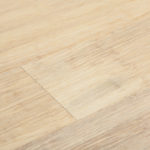
Bamboo is a natural material, which means you’re likely to see a variety of color variations when you evaluate your product. This is normal and helps give your room visual depth and a timeless design. Simply placing your bamboo flooring material without a pattern in mind however may not give you the result that you’re looking for.
Here are a few tips to help you quickly and easily plan how you want to put your bamboo planks down:
• Remove your bamboo flooring material from the box or remove plastic wrapping. You need to see all of your flooring material together to create a design.
• Separate the bamboo flooring material into light, medium and dark sections.
• Stagger your color pattern throughout the installation process for a more natural look. This will help you avoid large patches of light color followed by darker planks or boards that may look out of place.
Use Proper Nailing Procedures
Installing a bamboo floor can be tricky work best left to a professional. That’s because tongue fracture and surface dimpling can be a big problem if bamboo is improperly installed. Here are some tips for nailing bamboo to keep in mind whether you do the work yourself or not:
• Don’t use damaged boards. Twisted, crooked, cracked or bowed boards should be discarded. These can cause problems down the road.
• Use the correct nail and fastener type for the thickness of your floor. In many cases, 18-guage floor nailers and cleats will work, but thinner and thicker bamboo flooring materials may require different tools.
• Space fasteners roughly every eight to 10-inches. Use at least two fasteners per board.
• Pay attention to your nail angle if you notice buckling or surface dimpling. You may need to adjust your nail angle to prevent this from occurring.
It’s important to note that nailing bamboo is a common method, but it may not work with every type of bamboo. If you’re noticing a lot of surface dimpling, you may need to switch to another method. Gluing bamboo to the subfloor is a common option that may work for your needs.
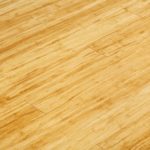
Bamboo flooring is a brilliant, natural material that works well in modern and transitional homes. Renewable and strong, it’s also built to last for many years to come. Available in a wide range of looks from natural to distressed, finding the ideal style to match your space and existing décor should be a breeze as well.
Do you have questions about choosing the right bamboo flooring material for your entryway, living room, den, bedroom or family room? We can help you find the right flooring material and provide you with valuable bamboo flooring installation tips to help you through the process.
Reach out to us today so you can start enjoying your new bamboo floors before you know it. We know you’ll love the look and feel of bamboo in your home.