
$3–$12
25–50yr
3–6mm
500+
DIY
| Factor | Engineered Hardwood | Solid Hardwood |
|---|---|---|
| Moisture Tolerance | Good — works in most rooms | Limited — no basements or humid areas |
| Radiant Heat | Compatible with most systems | Risk of gaps and warping |
| Installation Options | Float, glue, or nail | Nail or staple only (above grade) |
| DIY Friendly | Click-lock floating is DIY-ready | Nail-down requires professional tools |
| Cost (Material) | $3–$10 / sq ft | $5–$15+ / sq ft |
| Refinishable | 1–4 times (wear layer dependent) | Up to 6–8 times over decades |
| Lifespan | 25–50 years | 50–100 years (with care) |
| Where It Works | Any grade, most subfloors | Above-grade only, wood subfloor preferred |
Choose Solid When...
- You're renovating a heritage home and want historical authenticity
- You plan to live in the home for 30+ years and want maximum refinish cycles
- Installation is above-grade on wood subfloor
- Budget allows for professional installation
- Resale to a traditional buyer who values solid wood
Choose Engineered When...
- Basement, slab-on-grade, or any below-grade installation
- Radiant heat is installed or planned
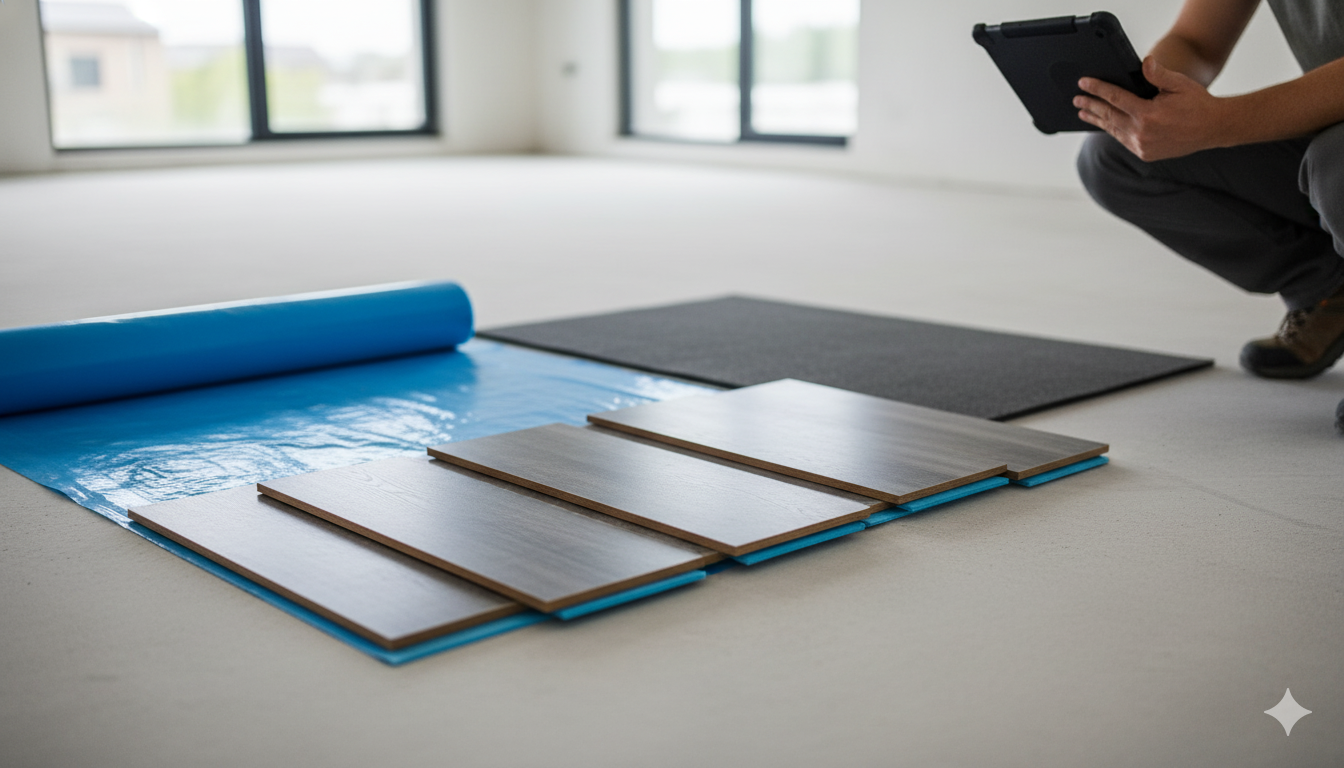
- You want click-lock floating for a DIY install
- High humidity or climate fluctuations are a concern
- Rental property or multi-unit project needs durability at scale
1. Wear Layer Thickness
The most important spec on the sheet. Wear layer is the real wood on top—measured in millimeters. Thicker = more refinish cycles = longer total lifespan.
2mm Wear Layer
3–4mm Wear Layer
5–6mm Wear Layer
2. Species
Oak is the most popular choice - it takes stain beautifully, hides grain variation, and suits both traditional and contemporary interiors. Maple is harder and tighter-grained for a cleaner, more modern look. Hickory offers dramatic grain contrast for a rustic or farmhouse aesthetic. Walnut is the premium choice for deep, rich color in high-end renovations.
3. Finish Type
Smooth/glossy finishes show more dust and scratches over time but have a classic, refined appearance. Wire-brushed finishes have a subtle texture that hides everyday wear - an excellent choice for families with pets or kids. Hand-scraped finishes create an aged, artisanal look that wears in rather than showing wear out.
4. Plank Width & Length
Wider planks (5"–9"+) have become the dominant trend and make rooms feel larger and more modern. Narrower planks (2¼"–3¼") are traditional and suit colonial or vintage aesthetics. Longer planks create fewer end-joints and a more seamless appearance.
5. Grade
Select grade has minimal knots and consistent color—formal, uniform appearance. Character/rustic grade celebrates the wood's natural variation: knots, mineral streaks, and color variation. Rustic grade is easier to live with in everyday use because imperfections aren't as visible.
Click-Lock Float
Best for DIYPlanks click together and "float" above the subfloor on an underlayment pad. No fasteners, no glue. The most DIY-friendly method.
Works on: Concrete, plywood, existing flooring
Best when: You want DIY savings + flexibility
Glue-Down
Most StableFull-spread adhesive bonds planks directly to a clean, flat subfloor. Creates the most rigid, quietest result - ideal for radiant heat systems.
Works on: Concrete slab, plywood
Best when: Radiant heat or commercial install
Nail/Staple Down
TraditionalMechanical fasteners driven through the tongue into the subfloor. Requires a pneumatic flooring nailer and wood subfloor. The professional standard for above-grade installs.
Works on: Plywood or OSB subfloor only
Best when: Professional install, above-grade
Builder / Entry
$3–$5
per square foot (material only)
- 2–3mm wear layer
- Standard oak or maple
- Smooth finish, limited selection
- Best for: Rentals, quick flips
Mid / Best Value
$5–$8
per square foot (material only)
- 3–4mm wear layer
- Oak, hickory, maple, ash
- Wire-brushed or hand-scraped finish
- Best for: Primary residences
Premium
$8–$12+
per square foot (material only)
- 5–6mm wear layer
- Walnut, European white oak, exotics
- Wide format, curated finishes
- Best for: Luxury renovations
Calculating Total Project Cost
Material cost is only part of the equation. A complete project budget includes:
| Cost Item | Typical Range | Notes |
|---|---|---|
| Flooring material | $3–$12/sq ft | Order 10% overage for cuts and waste |
| Underlayment | $0.30–$0.80/sq ft | Required for floating install |
| Subfloor prep | $0–$2/sq ft | Leveling compound if needed |
| Professional install | $3–$6/sq ft | Skip with DIY click-lock |
| Trim & transitions | $1–$3/linear ft | T-moldings, reducers, thresholds |
| Total (installed) | $7–$20/sq ft | Typical range for quality install |
For a 1,000 sq ft main floor at the mid-tier level, expect a total installed cost in the range of $8,000–$14,000—significantly less than a comparable solid hardwood installation, which typically runs $12,000–$22,000+ for the same space.
Frequently Asked Questions
Can engineered hardwood be installed in a basement?
Can engineered hardwood be installed in a basement?
Yes. Engineered hardwood is suitable for below-grade installation where solid hardwood is not. The cross-ply construction limits moisture-related movement. Use a glue-down or floating method over a vapor barrier. Avoid basements with active moisture intrusion or standing water history.
How many times can engineered hardwood be refinished?
How many times can engineered hardwood be refinished?
This depends entirely on the wear layer thickness. A 2mm wear layer can be lightly screened once. A 3–4mm layer can be fully sanded and refinished 1–2 times. A 6mm layer can be refinished 3–4 times over its life. Ask your supplier for the exact wear layer spec before purchasing.
Is engineered hardwood real wood?
Is engineered hardwood real wood?
Yes. The surface you see and touch is real hardwood—the same species and grain as a solid plank. The structural layers below the surface are also wood-based (plywood or HDF). Engineered hardwood is distinct from laminate, which uses a photographic print layer on a non-wood core.
How long will it take to receive my refund?
How long will it take to receive my refund?
Refunds are processed within 7 days from when we receive the item(s).
Does engineered hardwood work with radiant heat?
Does engineered hardwood work with radiant heat?
Most engineered hardwood products are compatible with radiant heat systems, but you must verify the specific product's rating. Glue-down installation is generally preferred over floating for radiant heat, as it allows better heat transfer and minimizes expansion gaps. Check that the surface temperature won't exceed 85°F (29°C).
How does BuildDirect compare to big box stores for engineered hardwood?
How does BuildDirect compare to big box stores for engineered hardwood?
BuildDirect sources directly from manufacturers and carries a significantly broader selection than big box retail, including trade-quality and premium European collections not available at Home Depot or Lowe's. Direct sourcing means lower cost per square foot with better wear layer specs at comparable price points. Pro Center walk-in locations also allow you to see full-size samples before ordering.