

-

![Varuna Waterproof Engineered Bamboo Hardwood Flooring]()
![Varuna Waterproof Engineered Bamboo Hardwood Flooring]()
![Varuna Waterproof Engineered Bamboo Hardwood Flooring]()
![Varuna Waterproof Engineered Bamboo Hardwood Flooring]()
![Varuna Waterproof Engineered Bamboo Hardwood Flooring]()
![Varuna Waterproof Engineered Bamboo Hardwood Flooring]()
![Varuna Waterproof Engineered Bamboo Hardwood Flooring]()
![Varuna Waterproof Engineered Bamboo Hardwood Flooring]()
![Varuna Waterproof Engineered Bamboo Hardwood Flooring]()
![Varuna Waterproof Engineered Bamboo Hardwood Flooring]()
![Varuna Waterproof Engineered Bamboo Hardwood Flooring]()
![Varuna Waterproof Engineered Bamboo Hardwood Flooring]()
![Varuna Waterproof Engineered Bamboo Hardwood Flooring]()
![Varuna Waterproof Engineered Bamboo Hardwood Flooring]()
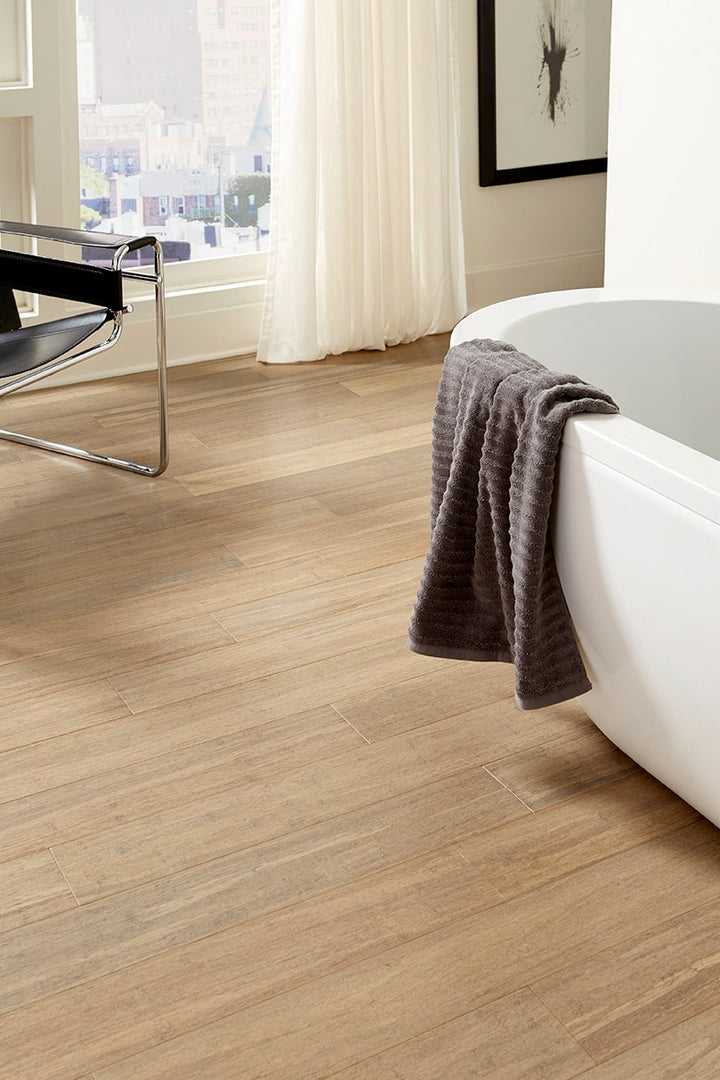 Limited OfferWidth: W: 5.12″Length: L: 36.22"Thickness: T: 0.28"
Varuna Waterproof Engineered Bamboo Hardwood Flooring - Riviera / 1.5mm
15273477
$675 / sq ftRetail Price: $919 / sq ftUnit price /Unavailable27% OFF -
![Varuna Waterproof Engineered Bamboo Hardwood Flooring]()
![Varuna Waterproof Engineered Bamboo Hardwood Flooring]()
![Varuna Waterproof Engineered Bamboo Hardwood Flooring]()
![Varuna Waterproof Engineered Bamboo Hardwood Flooring]()
![Varuna Waterproof Engineered Bamboo Hardwood Flooring]()
![Varuna Waterproof Engineered Bamboo Hardwood Flooring]()
![Varuna Waterproof Engineered Bamboo Hardwood Flooring]()
![Varuna Waterproof Engineered Bamboo Hardwood Flooring]()
![Varuna Waterproof Engineered Bamboo Hardwood Flooring]()
![Varuna Waterproof Engineered Bamboo Hardwood Flooring]()
![Varuna Waterproof Engineered Bamboo Hardwood Flooring]()
![Varuna Waterproof Engineered Bamboo Hardwood Flooring]()
![Varuna Waterproof Engineered Bamboo Hardwood Flooring]()
![Varuna Waterproof Engineered Bamboo Hardwood Flooring]()
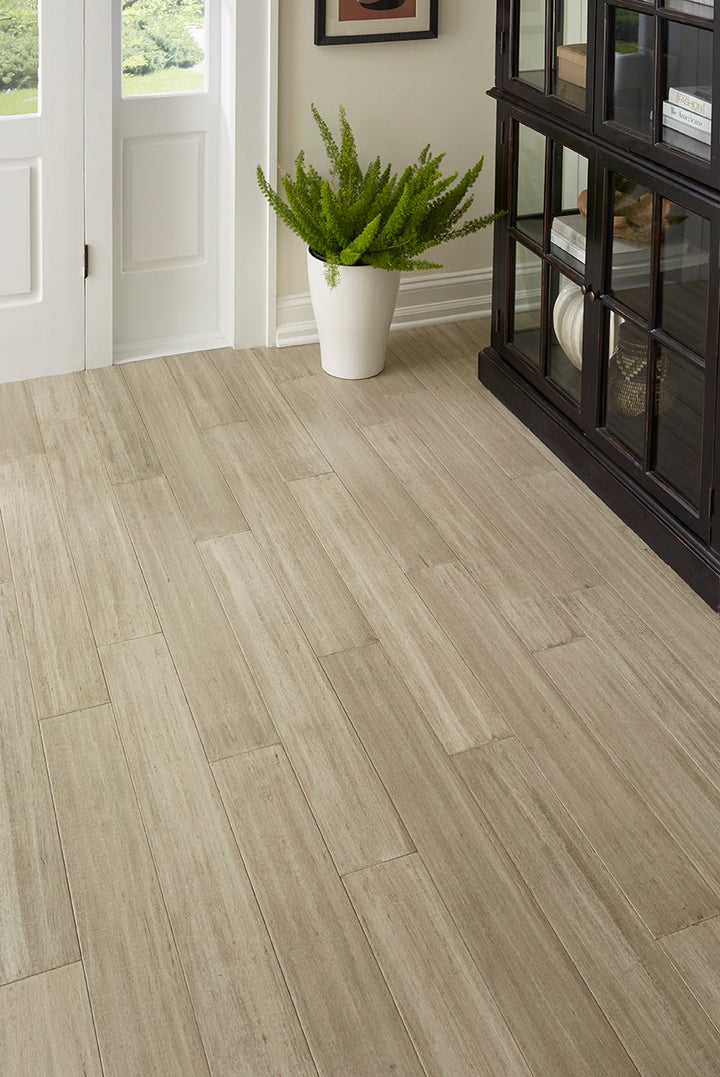 Limited OfferWidth: W: 5.12″Length: L: 36.22"Thickness: T: 0.28"
Varuna Waterproof Engineered Bamboo Hardwood Flooring - Cannes / 1.5mm
15273479
$675 / sq ftRetail Price: $919 / sq ftUnit price /Unavailable27% OFF


Frequently Asked Questions
Is bamboo flooring a type of hardwood?
Bamboo is technically a grass, not a wood, but it is processed and performs similarly to hardwood flooring. It is harvested, sliced or shredded, and compressed into planks under heat and pressure. The result is a hard, dense flooring material that rivals or exceeds many traditional hardwoods in surface hardness, depending on the manufacturing process. It is sold and installed the same way as hardwood and carries a similar aesthetic.
How durable is bamboo flooring compared to hardwood?
Strand-woven bamboo, the densest form, is one of the hardest flooring materials available and outperforms many traditional hardwoods on the Janka hardness scale. Traditional flat-pressed or vertical bamboo is softer and closer in hardness to standard hardwood species. For high-traffic areas, strand-woven bamboo is the format to look for. All bamboo is still susceptible to moisture and humidity fluctuations, so it shares the same installation restrictions as solid hardwood in that regard.
Is bamboo flooring environmentally friendly?
Bamboo is one of the most sustainable flooring materials available. It is a fast-growing grass that can be harvested in three to five years compared to the decades required for most hardwood trees. It regenerates from its own root system without replanting. Look for products certified by the Forest Stewardship Council (FSC) or that carry low-VOC adhesive and finish certifications to ensure the full product -- not just the raw material -- meets environmental standards.
Can bamboo flooring be installed in kitchens or bathrooms?
Bamboo is more moisture-sensitive than LVP or waterproof engineered hardwood and is not recommended for bathrooms or other high-moisture areas. In kitchens, it can perform well if spills are cleaned up promptly and the space maintains stable humidity. Like hardwood, bamboo should not be installed below grade or in areas with known moisture issues. If you want the natural aesthetic of bamboo in a wet area, a bamboo-look LVP may be a more practical solution.
How do I maintain bamboo flooring?
Bamboo maintenance is similar to hardwood. Sweep or vacuum regularly to prevent grit from scratching the surface. Use a slightly damp mop with a hardwood-safe or bamboo-specific cleaner -- avoid excess water and steam mops, which can cause swelling. Wipe up spills immediately. Use furniture pads and entry mats in high-traffic areas. Maintain indoor humidity between 40% and 60% to minimize expansion and contraction over seasonal changes.
Can bamboo flooring be refinished?
Strand-woven bamboo can typically be sanded and refinished, though it is harder to work with than traditional hardwood due to its density. Traditional flat-pressed bamboo has a thinner usable layer and may offer limited refinishing potential. Check the product specifications and consult with a flooring professional before refinishing. In many cases, bamboo floors can be screened and recoated without a full sand-down, which is sufficient for refreshing a worn surface finish.