

-

![Yukon Trail Rigid Core XL Flooring]()
![Yukon Trail Rigid Core XL Flooring]()
![Yukon Trail Rigid Core XL Flooring]()
![Yukon Trail Rigid Core XL Flooring]()
![Yukon Trail Rigid Core XL Flooring]()
![Yukon Trail Rigid Core XL Flooring]()
![Yukon Trail Rigid Core XL Flooring]()
![Yukon Trail Rigid Core XL Flooring]()
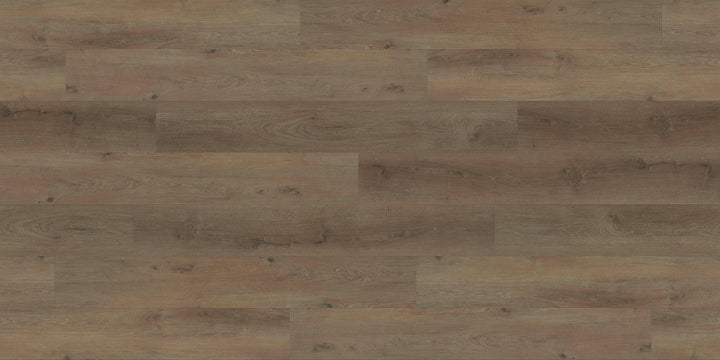 Width: W: 9.0″Length: L: 60"Thickness: T: 7 mm
 -

![Whistler Ridge Rigid Core Standard Flooring]()
![Whistler Ridge Rigid Core Standard Flooring]()
![Whistler Ridge Rigid Core Standard Flooring]()
![Whistler Ridge Rigid Core Standard Flooring]()
![Whistler Ridge Rigid Core Standard Flooring]()
![Whistler Ridge Rigid Core Standard Flooring]()
![Whistler Ridge Rigid Core Standard Flooring]()
![Whistler Ridge Rigid Core Standard Flooring]()
![Whistler Ridge Rigid Core Standard Flooring]()
![Whistler Ridge Rigid Core Standard Flooring]()
![Whistler Ridge Rigid Core Standard Flooring]()
![Whistler Ridge Rigid Core Standard Flooring]()
![Whistler Ridge Rigid Core Standard Flooring]()
![Whistler Ridge Rigid Core Standard Flooring]()
![Whistler Ridge Rigid Core Standard Flooring]()
![Whistler Ridge Rigid Core Standard Flooring]()
![Whistler Ridge Rigid Core Standard Flooring]()
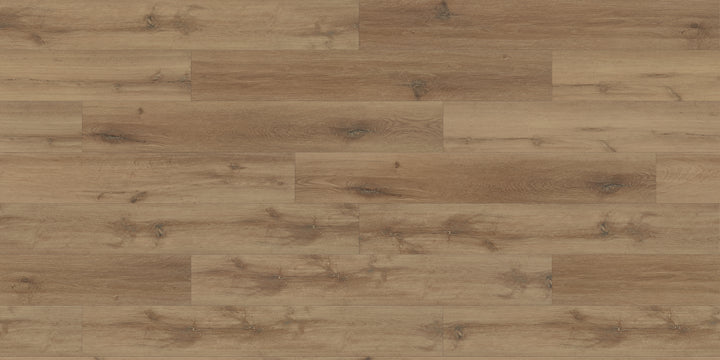 Width: W: 7.0″Length: L: 48"Thickness: T: 5.5 mm
 -
![Fraser Valley Rigid Core XL Flooring]()
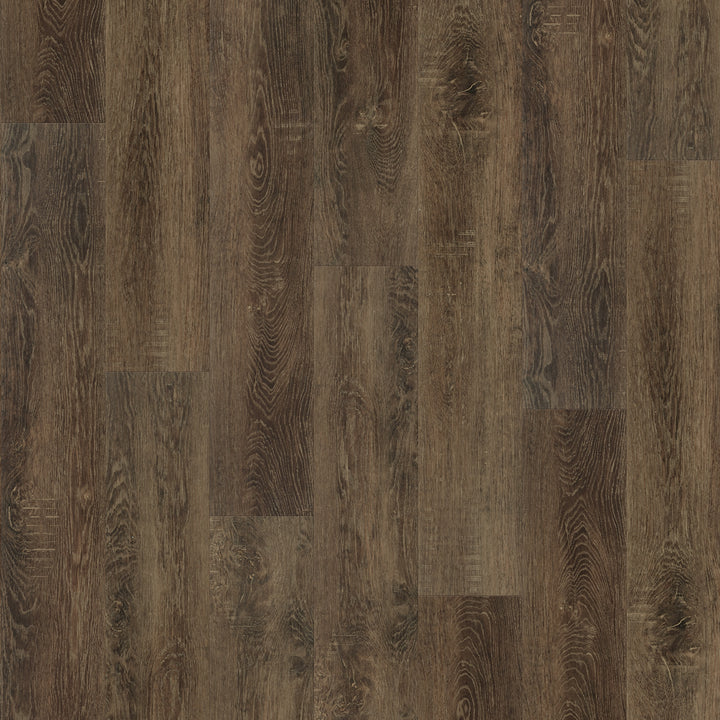 Width: W: 9.0″Length: L: 72"Thickness: T: 8 mm
 -
![Pacific Grove Rigid Core XL Flooring]()
![Pacific Grove Rigid Core XL Flooring]()
![Pacific Grove Rigid Core XL Flooring]()
![Pacific Grove Rigid Core XL Flooring]()
![Pacific Grove Rigid Core XL Flooring]()
![Pacific Grove Rigid Core XL Flooring]()
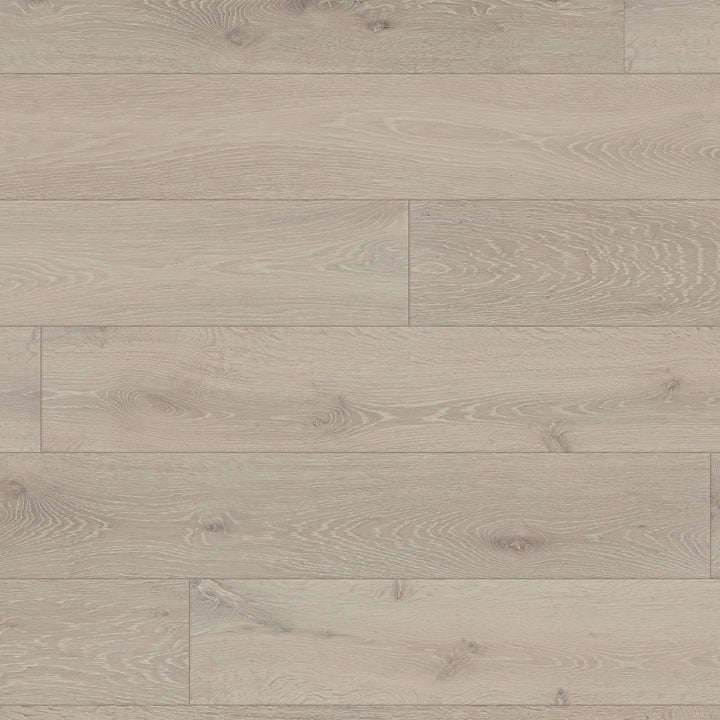 Width: W: 9.45″Length: L: 74.4"Thickness: T: 6.5 mm
 -
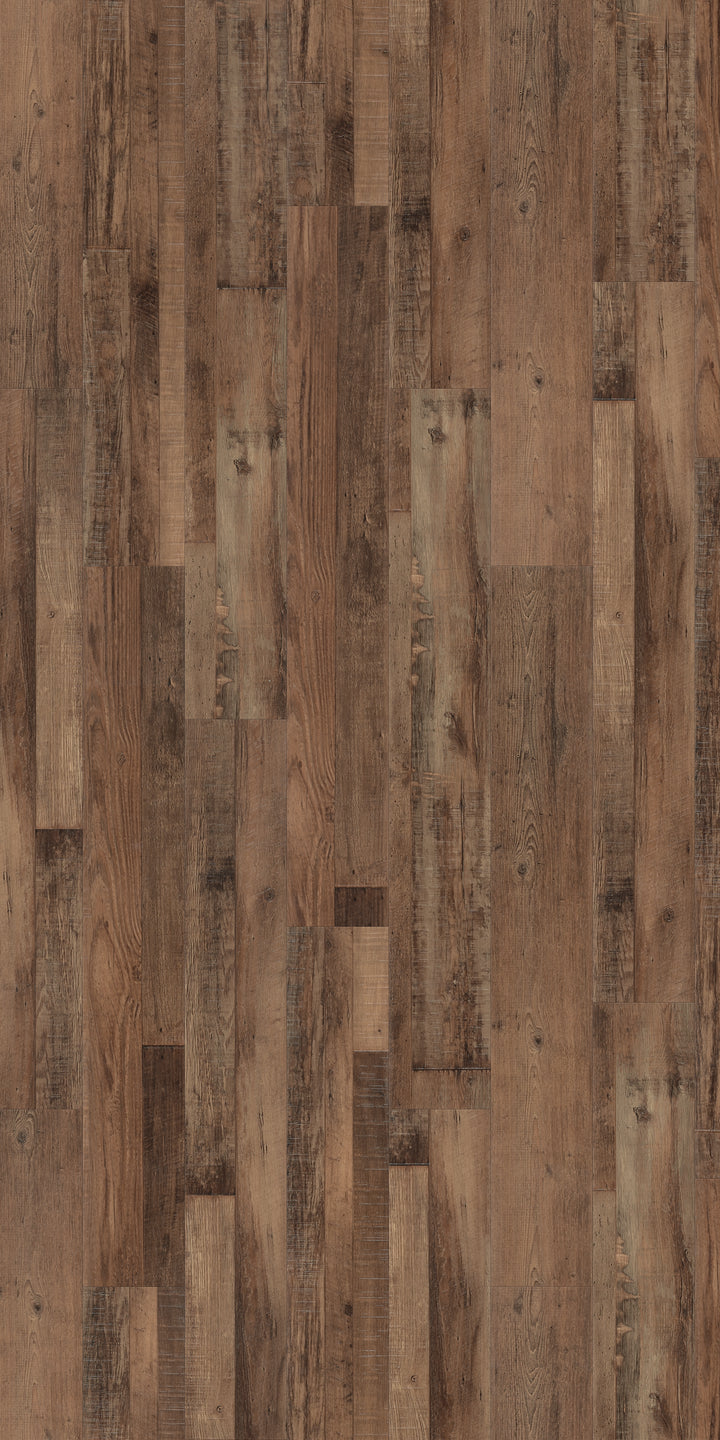 Width: W: 7.0″Length: L: 48"Thickness: T: 5.5 mm
 -
![Fundy Shore Rigid Core XL Flooring]()
![Fundy Shore Rigid Core XL Flooring]()
![Fundy Shore Rigid Core XL Flooring]()
![Fundy Shore Rigid Core XL Flooring]()
![Fundy Shore Rigid Core XL Flooring]()
 Width: W: 9.0″Length: L: 60"Thickness: T: 6.5 mm
 -
![Yukon Trail Rigid Core XL Flooring]()
![Yukon Trail Rigid Core XL Flooring]()
![Yukon Trail Rigid Core XL Flooring]()
![Yukon Trail Rigid Core XL Flooring]()
![Yukon Trail Rigid Core XL Flooring]()
![Yukon Trail Rigid Core XL Flooring]()
![Yukon Trail Rigid Core XL Flooring]()
![Yukon Trail Rigid Core XL Flooring]()
![Yukon Trail Rigid Core XL Flooring]()
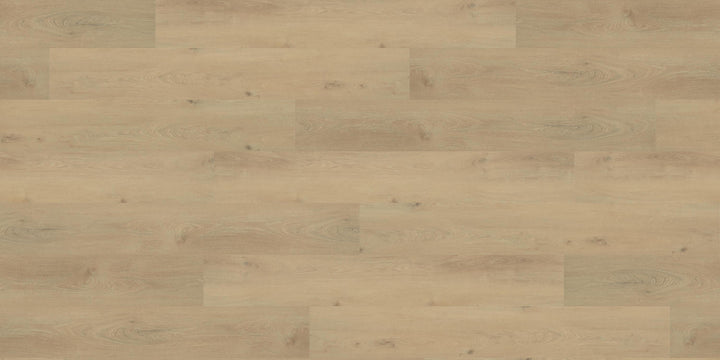 Width: W: 9.0″Length: L: 60"Thickness: T: 7 mm
 -
![Whistler Ridge Rigid Core Standard Flooring]()
![Whistler Ridge Rigid Core Standard Flooring]()
![Whistler Ridge Rigid Core Standard Flooring]()
![Whistler Ridge Rigid Core Standard Flooring]()
![Whistler Ridge Rigid Core Standard Flooring]()
![Whistler Ridge Rigid Core Standard Flooring]()
![Whistler Ridge Rigid Core Standard Flooring]()
![Whistler Ridge Rigid Core Standard Flooring]()
![Whistler Ridge Rigid Core Standard Flooring]()
![Whistler Ridge Rigid Core Standard Flooring]()
![Whistler Ridge Rigid Core Standard Flooring]()
![Whistler Ridge Rigid Core Standard Flooring]()
![Whistler Ridge Rigid Core Standard Flooring]()
![Whistler Ridge Rigid Core Standard Flooring]()
![Whistler Ridge Rigid Core Standard Flooring]()
![Whistler Ridge Rigid Core Standard Flooring]()
![Whistler Ridge Rigid Core Standard Flooring]()
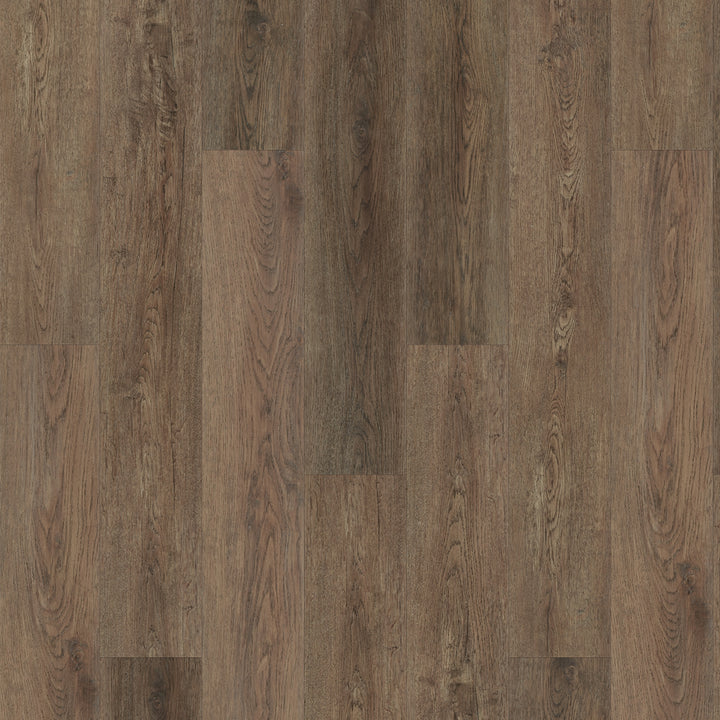 Width: W: 7.0″Length: L: 48"Thickness: T: 5.5 mm
 -
![Pacific Grove Rigid Core XL Flooring]()
![Pacific Grove Rigid Core XL Flooring]()
![Pacific Grove Rigid Core XL Flooring]()
![Pacific Grove Rigid Core XL Flooring]()
![Pacific Grove Rigid Core XL Flooring]()
![Pacific Grove Rigid Core XL Flooring]()
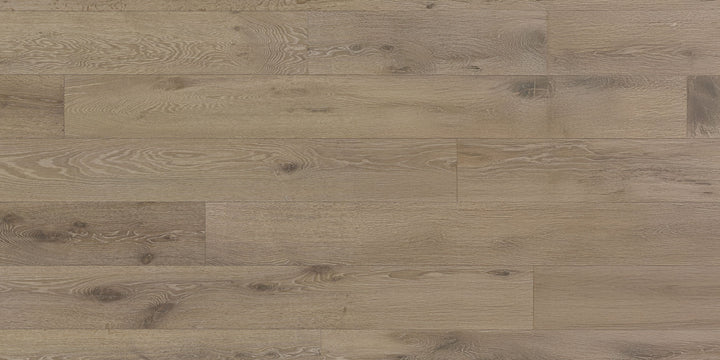 Width: W: 9.45″Length: L: 74.4"Thickness: T: 6.5 mm
 -
![Whistler Ridge Rigid Core Standard Flooring]()
![Whistler Ridge Rigid Core Standard Flooring]()
![Whistler Ridge Rigid Core Standard Flooring]()
![Whistler Ridge Rigid Core Standard Flooring]()
![Whistler Ridge Rigid Core Standard Flooring]()
![Whistler Ridge Rigid Core Standard Flooring]()
![Whistler Ridge Rigid Core Standard Flooring]()
![Whistler Ridge Rigid Core Standard Flooring]()
![Whistler Ridge Rigid Core Standard Flooring]()
![Whistler Ridge Rigid Core Standard Flooring]()
![Whistler Ridge Rigid Core Standard Flooring]()
![Whistler Ridge Rigid Core Standard Flooring]()
![Whistler Ridge Rigid Core Standard Flooring]()
![Whistler Ridge Rigid Core Standard Flooring]()
![Whistler Ridge Rigid Core Standard Flooring]()
![Whistler Ridge Rigid Core Standard Flooring]()
![Whistler Ridge Rigid Core Standard Flooring]()
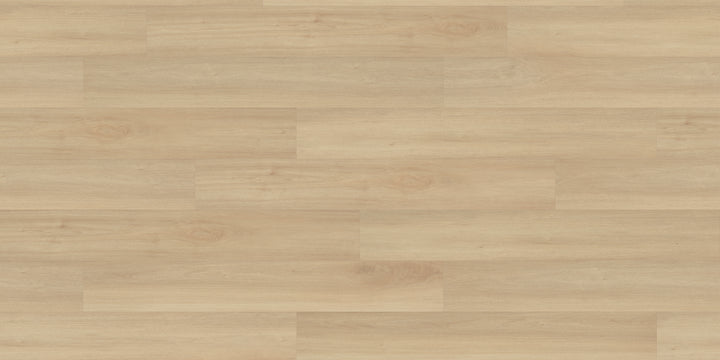 Width: W: 7.0″Length: L: 48"Thickness: T: 5.5 mm
 -
![Whistler Ridge Rigid Core Standard Flooring]()
![Whistler Ridge Rigid Core Standard Flooring]()
![Whistler Ridge Rigid Core Standard Flooring]()
![Whistler Ridge Rigid Core Standard Flooring]()
![Whistler Ridge Rigid Core Standard Flooring]()
![Whistler Ridge Rigid Core Standard Flooring]()
![Whistler Ridge Rigid Core Standard Flooring]()
![Whistler Ridge Rigid Core Standard Flooring]()
![Whistler Ridge Rigid Core Standard Flooring]()
![Whistler Ridge Rigid Core Standard Flooring]()
![Whistler Ridge Rigid Core Standard Flooring]()
![Whistler Ridge Rigid Core Standard Flooring]()
![Whistler Ridge Rigid Core Standard Flooring]()
![Whistler Ridge Rigid Core Standard Flooring]()
![Whistler Ridge Rigid Core Standard Flooring]()
![Whistler Ridge Rigid Core Standard Flooring]()
![Whistler Ridge Rigid Core Standard Flooring]()
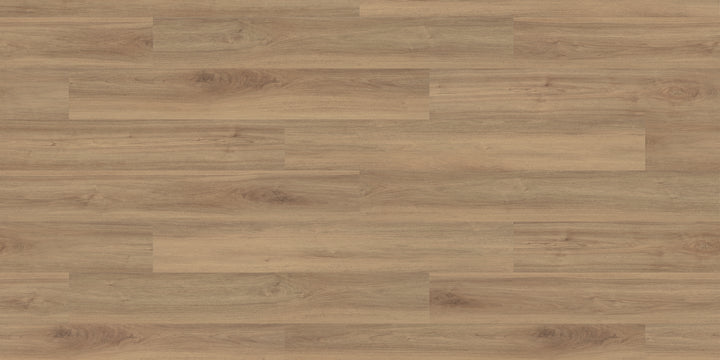 Width: W: 7.0″Length: L: 48"Thickness: T: 5.5 mm


Frequently Asked Questions
What is the best flooring for a basement?
Waterproof rigid core LVP is the most popular and practical basement flooring choice. It is 100% waterproof, handles concrete subfloors well, installs as a floating floor without adhesive, and is comfortable underfoot. Waterproof laminate and waterproof engineered hardwood are also strong options for finished basements where you want a warmer aesthetic. Tile works well in basements but is cold and hard underfoot. Solid hardwood and standard laminate should be avoided below grade due to moisture sensitivity.
Do I need to test my basement for moisture before installing flooring?
Yes -- always. Concrete slabs emit moisture vapor even when they appear dry, and installing flooring over an active moisture problem will cause premature failure regardless of how waterproof the product is. The simplest test is to tape a 2-foot square of plastic sheeting to the concrete floor, seal all edges, and leave it for 24 to 48 hours. Moisture on the underside indicates active vapor emission that must be addressed before installation. For a more precise reading, a calcium chloride test or electronic moisture meter provides a measurable result.
Does waterproof flooring mean I do not need a moisture barrier in the basement?
No. Even fully waterproof LVP benefits from a moisture-barrier underlayment over concrete. The flooring itself may not absorb moisture, but vapor rising through the slab can still affect the locking joints, subfloor, and the environment beneath the floor over time. A moisture-barrier underlayment rated at 6 mil poly or equivalent creates a protective layer between the slab and the finished floor. This step is inexpensive relative to the cost of the flooring and should not be skipped in any below-grade installation.
Can I install flooring directly on concrete in a basement?
Yes. LVP and waterproof laminate are designed for direct installation over concrete as floating floors. The concrete must be clean, flat to within 3/16 inch over a 10-foot span, and dry. Grind down high spots and fill low spots with a floor patching compound before installation. Do not glue a floating floor to the concrete -- it needs freedom to move with temperature and humidity changes. For glue-down installations, use an adhesive specifically rated for below-grade concrete.
How do I make basement flooring feel warmer and more comfortable?
Concrete transfers cold, and that chill comes through the floor. A quality underlayment with thermal insulating properties makes a meaningful difference between the concrete slab and the finished floor surface. LVP and laminate with a foam or cork underlayment feel noticeably warmer than products installed without it. Area rugs over hard flooring add additional warmth and comfort in seating and living areas. If comfort is a top priority, WPC rigid core LVP has a slightly softer and warmer feel underfoot than the denser SPC format.
What flooring should I avoid in a basement?
Solid hardwood should never be installed below grade -- moisture and humidity will cause it to expand, warp, and deteriorate. Standard laminate with an untreated HDF core swells when exposed to moisture and is not suitable for basement use unless it is specifically rated as waterproof. Carpet can work in a consistently dry basement but carries mold and mildew risk in any space with humidity fluctuation. If there is any history of water intrusion in the basement, resolve the source before installing any floor covering.
Can I install basement flooring myself?
Yes. Floating click-lock LVP is one of the most DIY-friendly flooring formats available and is well-suited to basement installations. The main requirements are a flat, clean, dry subfloor and a moisture-barrier underlayment. No nails, glue, or specialized tools are required beyond basic measuring and cutting equipment. Subfloor preparation is the step most DIYers underestimate -- taking the time to flatten and test the concrete before laying the first plank produces a significantly better finished result.