What is the best flooring for a bathroom?
+
Bathrooms require flooring that is fully waterproof, slip-resistant, and durable in a consistently wet environment. Tile -- ceramic, porcelain, or natural stone -- is the traditional standard for bathrooms and remains an excellent choice for its waterproof performance and longevity. Waterproof LVP is the most popular modern alternative, offering warmth underfoot, easier DIY installation, and genuine waterproof construction at a lower price point than tile. Waterproof engineered hardwood is an option for homeowners who want a real wood look in the bathroom. Carpet and standard laminate should be avoided in full bathrooms.
Is LVP a good choice for bathroom floors?
+
Yes. Waterproof LVP is one of the best flooring choices for bathrooms. It is 100% waterproof at the plank level, warmer and softer underfoot than tile, and significantly easier to install as a DIY project. It is also more forgiving of subfloor imperfections than tile. For best results in a bathroom, seal the perimeter and all transitions with a waterproof silicone caulk, and make sure the locking joints are pressed fully together during installation to prevent water from working into the seams.
What slip resistance should I look for in bathroom flooring?
+
For bathroom floors, look for a COF (coefficient of friction) rating of 0.42 or higher for wet conditions -- this is the standard threshold for slip resistance in wet areas. Smaller tiles with more grout lines provide more grip than large-format tiles. Matte, honed, and textured surface finishes are safer underfoot than polished or glossy surfaces when wet. If you are using natural stone like marble or travertine, choose a honed or tumbled finish rather than polished for any floor application.
Can I use wood flooring in a bathroom?
+
Solid hardwood is not recommended for bathrooms -- the persistent moisture and humidity will cause it to warp, swell, and deteriorate over time. Waterproof engineered hardwood is specifically designed for moisture-prone spaces and can be used in bathrooms with proper installation and sealing. Standard engineered hardwood is not recommended for full bathrooms. For anyone who wants the warmth and look of wood in a bathroom, waterproof engineered hardwood or a high-quality wood-look LVP are both good options.
How do I choose bathroom tile that does not show water spots?
+
Matte and honed tile finishes show water spots and soap scum less than glossy or polished finishes. Mid-toned and variegated tile colors hide mineral deposits and spotting better than very dark or very light tiles, which show contrast most clearly. Larger format tiles with fewer grout lines are easier to keep looking clean day-to-day. If low maintenance is a priority, LVP with a smooth surface wipes down easily and has no grout lines to worry about.
What is the best bathroom flooring for small spaces?
+
Light-colored flooring in large format tiles or wide-plank LVP makes a small bathroom feel more open by reducing visual breaks. Running flooring diagonally can also visually expand a small space. Continuous flooring from the bathroom into an adjacent hallway without a visible transition further extends the perceived space. For very small bathrooms, a simple, consistent floor with minimal pattern keeps the room from feeling cluttered.


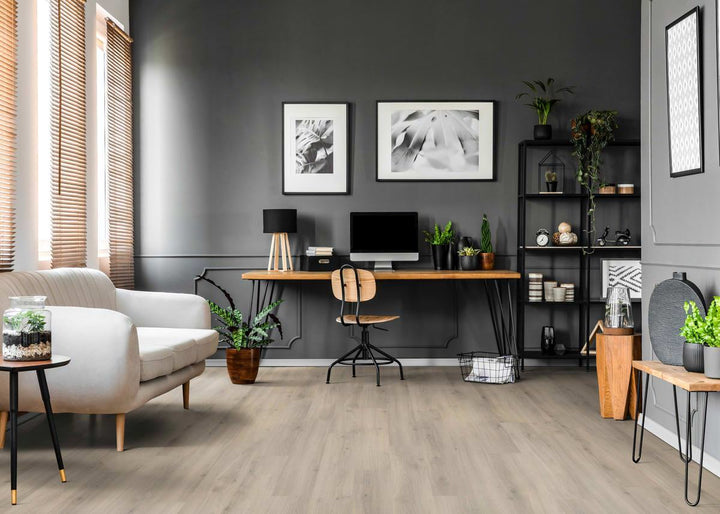 ClearanceWidth: W: 7.5″Length: L: 50.47"
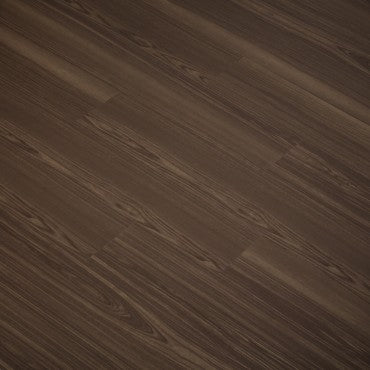 ClearanceWidth: W: 7.25″Length: L: 48"
 ClearanceWidth: W: 7.5″Length: L: 48"
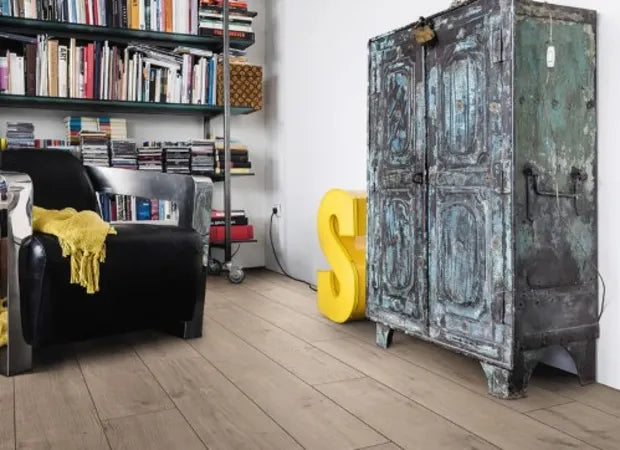 ClearanceWidth: W: 9.56″Length: L: 86.63"
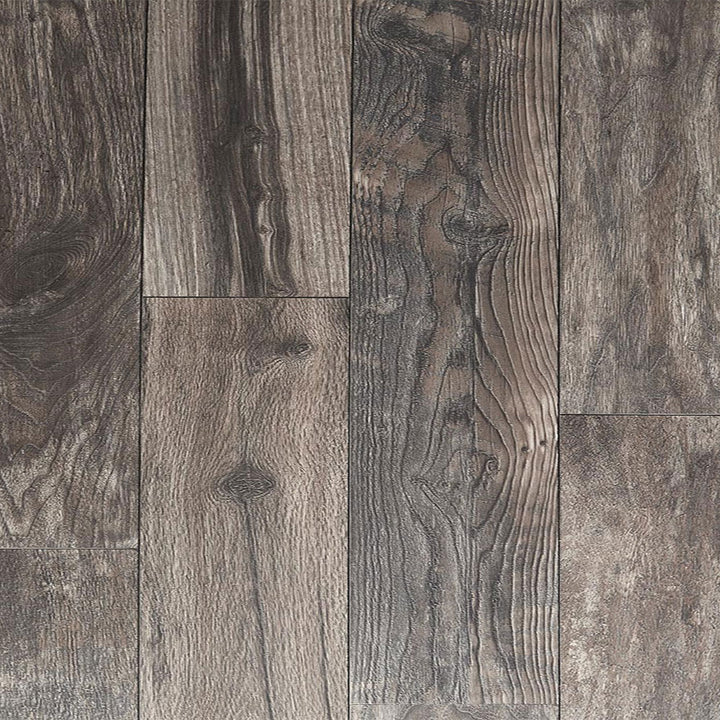 ClearanceWidth: W: 6.0″Length: L: 48"
 ClearanceWidth: W: 7.5″Length: L: 50.47"
 ClearanceWidth: W: 7.5″Length: L: 50.47"
 ClearanceWidth: W: 7.5″Length: L: 50.47"


