What types of natural stone tile are available?
+
The most common natural stone tile options are marble, travertine, limestone, slate, quartzite, and granite. Each has a distinct appearance, hardness, and porosity that affects where it performs best and how much maintenance it requires. Marble and limestone offer elegant, refined aesthetics but are softer and more porous. Travertine has a distinctive cellular texture and earthy warmth. Slate and quartzite are denser and harder, making them more durable in high-traffic applications. Granite is one of the hardest natural stones available and is popular for both floors and countertops.
Is natural stone tile durable enough for floors?
+
Yes, but durability varies significantly between stone types. Harder stones like granite, quartzite, and slate are extremely durable and handle heavy traffic well. Softer stones like marble and limestone are more susceptible to scratching, etching from acidic substances, and surface wear in very high-traffic areas. The finish also matters -- honed and brushed finishes hide wear and scratches better than polished surfaces. For any natural stone floor, proper sealing before use and consistent maintenance are the most important factors in long-term performance.
Does all natural stone tile need to be sealed?
+
Yes. All natural stone is porous to varying degrees and should be sealed before use with a penetrating stone sealer. The sealer fills the pores of the stone and creates a barrier against moisture, staining, and cleaning product absorption. How frequently you need to reseal depends on the stone type, the finish, and how much traffic or moisture the surface sees. A simple test is to drop a few beads of water on the surface -- if the water soaks in rather than beading up, it is time to reseal. In kitchens and bathrooms, plan to reseal annually at minimum.
What is the difference between polished, honed, and brushed natural stone?
+
Polished stone has a high-gloss, mirror-like surface that enhances the color and veining of the stone but shows scratches, etching, and water spots more easily. It is best suited for walls, fireplace surrounds, and low-traffic decorative applications. Honed stone has a smooth matte or satin finish that is more forgiving of wear and provides better grip underfoot, making it the practical choice for most floor applications. Brushed stone has a slightly textured surface created by wire brushing, giving it a more aged, rustic character and good slip resistance for outdoor and high-moisture applications.
Can natural stone tile be used outdoors?
+
Some natural stones are suitable for outdoor use and some are not. Granite, quartzite, and certain slates are dense enough to handle outdoor exposure and freeze-thaw cycles. Marble, limestone, and travertine are more porous and can crack when water absorbed into the stone freezes and expands -- in cold climates, these stones require products specifically rated for exterior and freeze-thaw use. For pool surrounds and patios, choose a stone with a textured finish for slip resistance and verify the product is rated for the climate conditions in your region.
What cleaners are safe to use on natural stone?
+
Always use a pH-neutral cleaner specifically formulated for natural stone. Avoid acidic cleaners like vinegar, lemon juice, and many general-purpose bathroom cleaners -- they etch calcium carbonate-based stones like marble, limestone, and travertine on contact. Avoid alkaline cleaners, bleach, and abrasive scrubbers, which can damage the stone surface and strip the sealer. For routine maintenance, warm water and a soft mop or cloth is sufficient for sealed stone. Clean up spills immediately, particularly anything acidic or oil-based, before it has a chance to penetrate the stone.
How do I choose the right grout for natural stone tile?
+
For most natural stone installations, unsanded grout is used for joints under 1/8 inch and sanded grout for wider joints. Avoid highly pigmented or dark grout colors with light stone tiles, as grout can stain porous stone during installation if the surface is not properly sealed first. Epoxy grout is stain-resistant and durable but more difficult to work with and typically not necessary for residential applications. Seal the grout after installation and reseal periodically, especially in wet areas. Match the grout color to the stone to create a cohesive look, or use a contrasting grout intentionally as a design element.
Is natural stone tile a good investment for home resale value?
+
Yes. Natural stone tile is one of the few flooring materials that consistently adds perceived and appraised value to a home. It signals quality and permanence in a way that manufactured alternatives cannot fully replicate, and it is associated with premium finishes in kitchens, bathrooms, and entryways. Stone floors installed and maintained correctly can last the lifetime of the home. In markets where buyers expect high-end finishes, natural stone in bathrooms and kitchens is a genuine selling point.


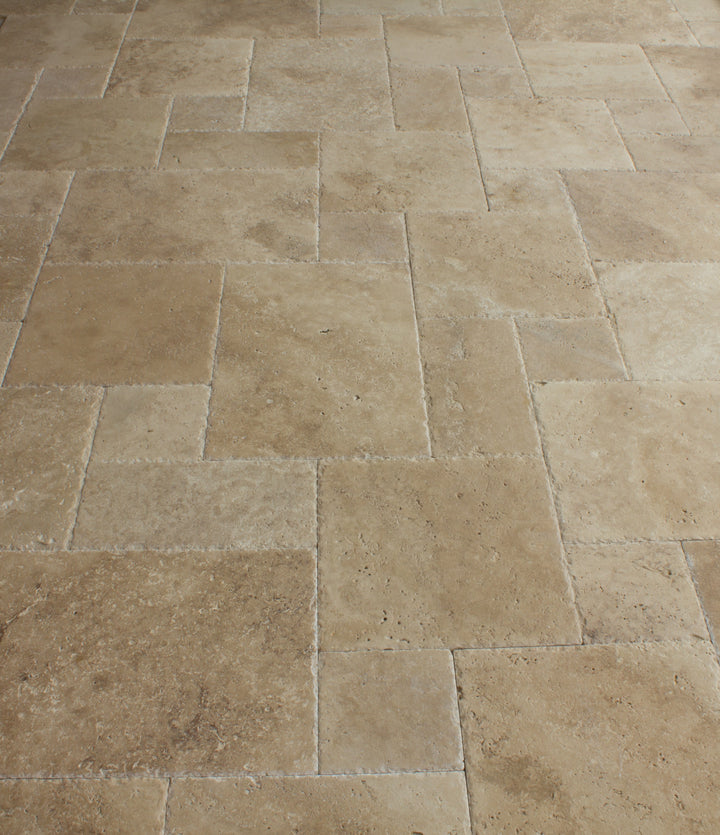 Width: W: 16.0″Length: L: 24"Thickness: T: 0.5"
 Width: W: 16.0″Length: L: 24"Thickness: T: 0.5"
 Width: W: 12.0″Length: L: 19.75"Thickness: T: 0.5"
 Width: W: 12.0″Length: L: 12"Thickness: T: 0.375"
 Width: W: 12.0″Length: L: 24"Thickness: T: 0.5"
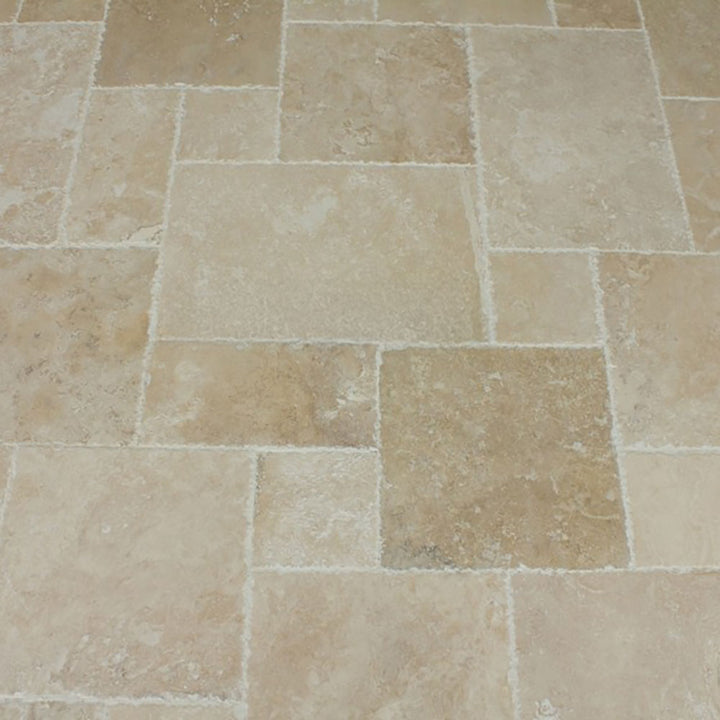 Width: W: 16.0″Length: L: 24"Thickness: T: 0.5"
 Width: W: 12.0″Length: L: 24"Thickness: T: 0.375"
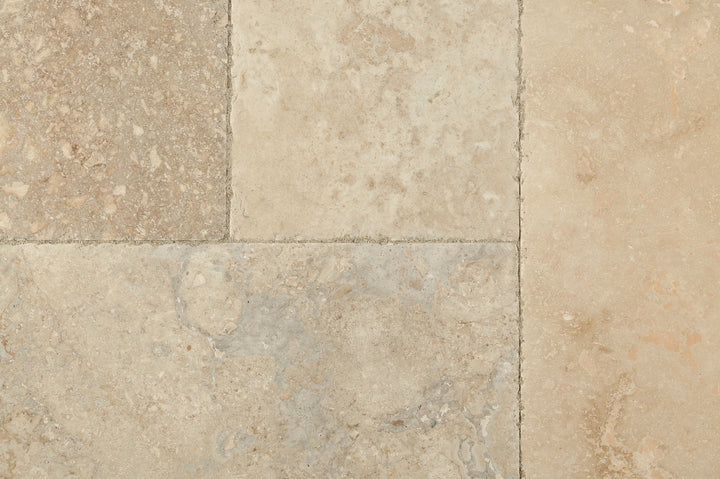 Width: W: 16.0″Length: L: 24"Thickness: T: 0.5"
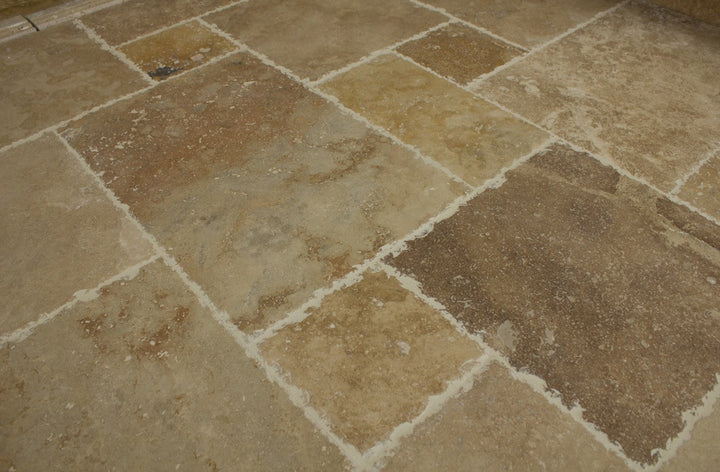 Width: W: 16.0″Length: L: 24"Thickness: T: 0.5"
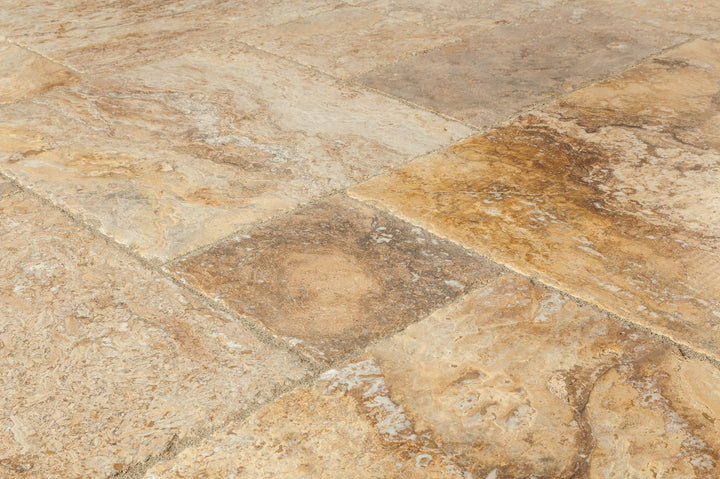 Width: W: 16.0″Length: L: 24"Thickness: T: 0.5"
 Width: W: 16.0″Length: L: 24"Thickness: T: 0.5"


