

-

![Antique Pattern Travertine Flooring Tiles]()
![Antique Pattern Travertine Flooring Tiles]()
![Antique Pattern Travertine Flooring Tiles]()
![Antique Pattern Travertine Flooring Tiles]()
![Antique Pattern Travertine Flooring Tiles]()
![Antique Pattern Travertine Flooring Tiles]()
![Antique Pattern Travertine Flooring Tiles]()
![Antique Pattern Travertine Flooring Tiles]()
![Antique Pattern Travertine Flooring Tiles]()
![Antique Pattern Travertine Flooring Tiles]()
![Antique Pattern Travertine Flooring Tiles]()
![Antique Pattern Travertine Flooring Tiles]()
![Antique Pattern Travertine Flooring Tiles]()
![Antique Pattern Travertine Flooring Tiles]()
![Antique Pattern Travertine Flooring Tiles]()
![Antique Pattern Travertine Flooring Tiles]()
![Antique Pattern Travertine Flooring Tiles]()
![Antique Pattern Travertine Flooring Tiles]()
![Antique Pattern Travertine Flooring Tiles]()
![Antique Pattern Travertine Flooring Tiles]()
![Antique Pattern Travertine Flooring Tiles]()
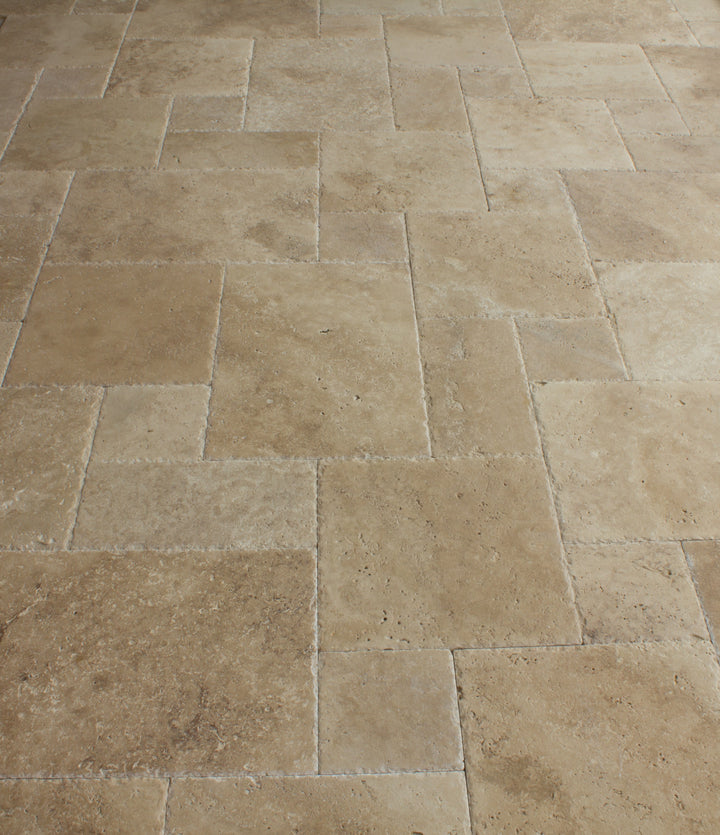 Width: W: 16.0″Length: L: 24"Thickness: T: 0.5"
tlaptt01
$789 / sq ftUnit price /Unavailable -

![Vein Cut Polished 24 x 12 Travertine Stone Flooring Tiles]()
 Width: W: 12.0″Length: L: 24"Thickness: T: 0.5"
Vein Cut Polished 24 x 12 Travertine Stone Flooring Tiles - Silver Premium Vein Cut
tlvcpt01
$1015 / sq ftUnit price /Unavailable -
![Antique Pattern Travertine Flooring Tiles]()
![Antique Pattern Travertine Flooring Tiles]()
![Antique Pattern Travertine Flooring Tiles]()
![Antique Pattern Travertine Flooring Tiles]()
![Antique Pattern Travertine Flooring Tiles]()
![Antique Pattern Travertine Flooring Tiles]()
![Antique Pattern Travertine Flooring Tiles]()
![Antique Pattern Travertine Flooring Tiles]()
![Antique Pattern Travertine Flooring Tiles]()
![Antique Pattern Travertine Flooring Tiles]()
![Antique Pattern Travertine Flooring Tiles]()
![Antique Pattern Travertine Flooring Tiles]()
![Antique Pattern Travertine Flooring Tiles]()
![Antique Pattern Travertine Flooring Tiles]()
![Antique Pattern Travertine Flooring Tiles]()
![Antique Pattern Travertine Flooring Tiles]()
![Antique Pattern Travertine Flooring Tiles]()
![Antique Pattern Travertine Flooring Tiles]()
![Antique Pattern Travertine Flooring Tiles]()
![Antique Pattern Travertine Flooring Tiles]()
![Antique Pattern Travertine Flooring Tiles]()
![Antique Pattern Travertine Flooring Tiles]()
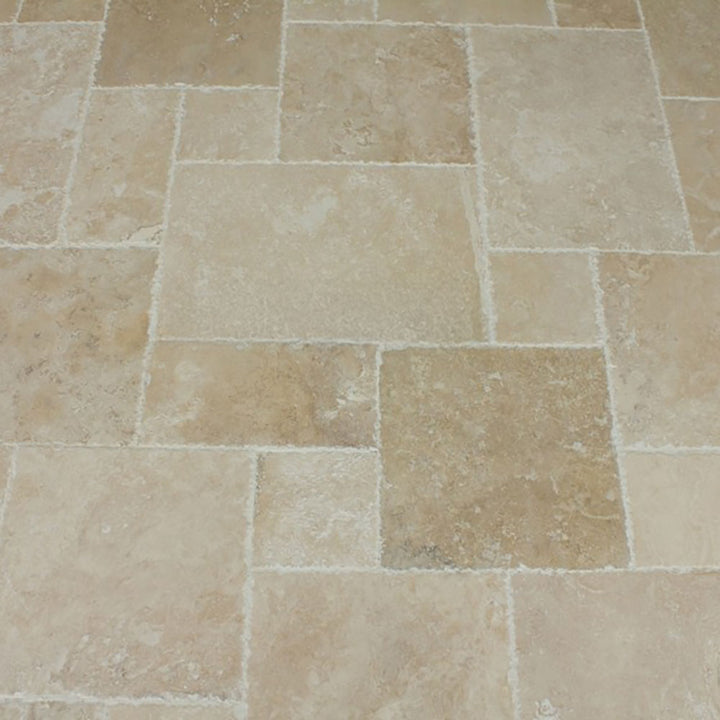 Width: W: 16.0″Length: L: 24"Thickness: T: 0.5"
tlaptt02
$725 / sq ftUnit price /Unavailable -

![Antique Pattern Travertine Flooring Tiles]()
![Antique Pattern Travertine Flooring Tiles]()
![Antique Pattern Travertine Flooring Tiles]()
![Antique Pattern Travertine Flooring Tiles]()
![Antique Pattern Travertine Flooring Tiles]()
![Antique Pattern Travertine Flooring Tiles]()
![Antique Pattern Travertine Flooring Tiles]()
![Antique Pattern Travertine Flooring Tiles]()
![Antique Pattern Travertine Flooring Tiles]()
![Antique Pattern Travertine Flooring Tiles]()
![Antique Pattern Travertine Flooring Tiles]()
![Antique Pattern Travertine Flooring Tiles]()
![Antique Pattern Travertine Flooring Tiles]()
![Antique Pattern Travertine Flooring Tiles]()
![Antique Pattern Travertine Flooring Tiles]()
![Antique Pattern Travertine Flooring Tiles]()
![Antique Pattern Travertine Flooring Tiles]()
![Antique Pattern Travertine Flooring Tiles]()
![Antique Pattern Travertine Flooring Tiles]()
![Antique Pattern Travertine Flooring Tiles]()
![Antique Pattern Travertine Flooring Tiles]()
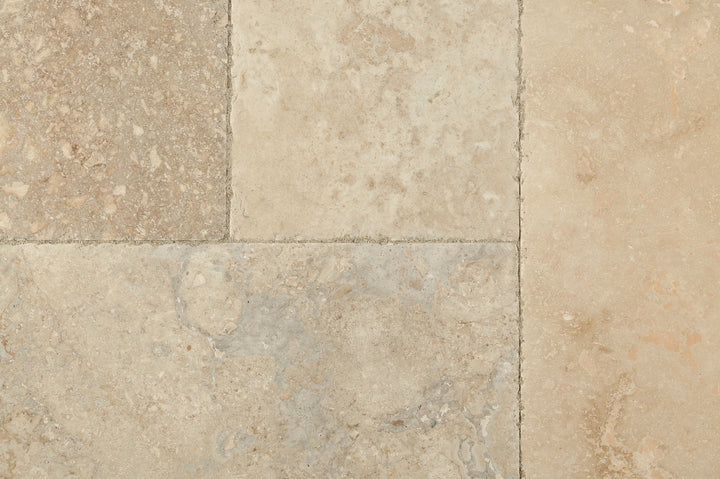 Width: W: 16.0″Length: L: 24"Thickness: T: 0.5"
Antique Pattern Travertine Flooring Tiles - Mina Rustic / Brushed, Chiseled, and Partially Filled
tlaptt06
$715 / sq ftUnit price /Unavailable -

![Antique Pattern Travertine Flooring Tiles]()
![Antique Pattern Travertine Flooring Tiles]()
![Antique Pattern Travertine Flooring Tiles]()
![Antique Pattern Travertine Flooring Tiles]()
![Antique Pattern Travertine Flooring Tiles]()
![Antique Pattern Travertine Flooring Tiles]()
![Antique Pattern Travertine Flooring Tiles]()
![Antique Pattern Travertine Flooring Tiles]()
![Antique Pattern Travertine Flooring Tiles]()
![Antique Pattern Travertine Flooring Tiles]()
![Antique Pattern Travertine Flooring Tiles]()
![Antique Pattern Travertine Flooring Tiles]()
![Antique Pattern Travertine Flooring Tiles]()
![Antique Pattern Travertine Flooring Tiles]()
![Antique Pattern Travertine Flooring Tiles]()
![Antique Pattern Travertine Flooring Tiles]()
![Antique Pattern Travertine Flooring Tiles]()
![Antique Pattern Travertine Flooring Tiles]()
![Antique Pattern Travertine Flooring Tiles]()
![Antique Pattern Travertine Flooring Tiles]()
![Antique Pattern Travertine Flooring Tiles]()
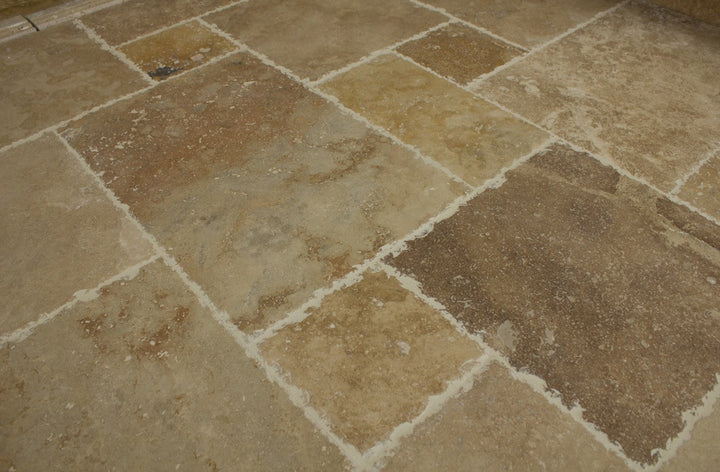 Width: W: 16.0″Length: L: 24"Thickness: T: 0.5"
tlaptt07
$689 / sq ftUnit price /Unavailable -
![Antique Pattern Travertine Flooring Tiles]()
![Antique Pattern Travertine Flooring Tiles]()
![Antique Pattern Travertine Flooring Tiles]()
![Antique Pattern Travertine Flooring Tiles]()
![Antique Pattern Travertine Flooring Tiles]()
![Antique Pattern Travertine Flooring Tiles]()
![Antique Pattern Travertine Flooring Tiles]()
![Antique Pattern Travertine Flooring Tiles]()
![Antique Pattern Travertine Flooring Tiles]()
![Antique Pattern Travertine Flooring Tiles]()
![Antique Pattern Travertine Flooring Tiles]()
![Antique Pattern Travertine Flooring Tiles]()
![Antique Pattern Travertine Flooring Tiles]()
![Antique Pattern Travertine Flooring Tiles]()
![Antique Pattern Travertine Flooring Tiles]()
![Antique Pattern Travertine Flooring Tiles]()
![Antique Pattern Travertine Flooring Tiles]()
![Antique Pattern Travertine Flooring Tiles]()
![Antique Pattern Travertine Flooring Tiles]()
![Antique Pattern Travertine Flooring Tiles]()
![Antique Pattern Travertine Flooring Tiles]()
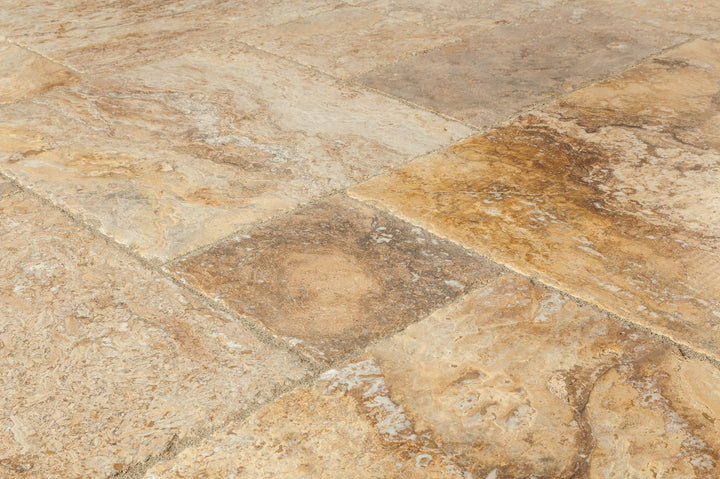 Width: W: 16.0″Length: L: 24"Thickness: T: 0.5"
tlaptt09
$795 / sq ftUnit price /Unavailable -
![Antique Pattern Travertine Flooring Tiles]()
![Antique Pattern Travertine Flooring Tiles]()
![Antique Pattern Travertine Flooring Tiles]()
![Antique Pattern Travertine Flooring Tiles]()
![Antique Pattern Travertine Flooring Tiles]()
![Antique Pattern Travertine Flooring Tiles]()
![Antique Pattern Travertine Flooring Tiles]()
![Antique Pattern Travertine Flooring Tiles]()
![Antique Pattern Travertine Flooring Tiles]()
![Antique Pattern Travertine Flooring Tiles]()
![Antique Pattern Travertine Flooring Tiles]()
![Antique Pattern Travertine Flooring Tiles]()
![Antique Pattern Travertine Flooring Tiles]()
![Antique Pattern Travertine Flooring Tiles]()
![Antique Pattern Travertine Flooring Tiles]()
![Antique Pattern Travertine Flooring Tiles]()
![Antique Pattern Travertine Flooring Tiles]()
![Antique Pattern Travertine Flooring Tiles]()
![Antique Pattern Travertine Flooring Tiles]()
![Antique Pattern Travertine Flooring Tiles]()
![Antique Pattern Travertine Flooring Tiles]()
 Width: W: 16.0″Length: L: 24"Thickness: T: 0.5"
Antique Pattern Travertine Flooring Tiles - Scott Rustic / Brushed, Chiseled, and Unfilled
tlaptt10
$665 / sq ftUnit price /Unavailable


Frequently Asked Questions
What is travertine tile?
Travertine is a form of limestone deposited by mineral springs, particularly hot springs. It has a distinctive pitted, cellular surface texture caused by carbon dioxide escaping during its formation, and comes in warm earthy tones ranging from ivory and beige to walnut and rustic gold. It is one of the oldest building materials in history and remains a popular choice for floors, walls, patios, and pool surrounds due to its natural character and timeless aesthetic.
What is the difference between filled and unfilled travertine?
Travertine naturally forms with voids and pits on its surface. Filled travertine has those voids filled with grout or epoxy before finishing, creating a smoother, more uniform surface that is easier to clean and maintain. Unfilled travertine retains its natural pits and holes, giving it a more rustic, organic character. For most indoor floor applications, filled travertine is the practical choice. Unfilled travertine suits outdoor and rustic applications where the natural texture is part of the aesthetic.
Does travertine tile need to be sealed?
Yes. Like all natural stone, travertine is porous and must be sealed before installation and resealed periodically. A penetrating stone sealer protects against staining and moisture absorption. In kitchens and bathrooms, plan to reseal annually. Without sealing, travertine readily absorbs oils, liquids, and cleaning product residue that can cause permanent staining and surface damage over time.
Can travertine tile be used outdoors?
Yes. Travertine is a popular material for patios, pool surrounds, and outdoor walkways. It stays relatively cool underfoot in hot climates compared to darker stone surfaces, and its natural texture provides good slip resistance around pools. For outdoor use, choose a tumbled or brushed finish with natural grip rather than a polished finish. Make sure the travertine product you select is rated for exterior use and freeze-thaw cycles if you are in a cold climate, as some travertine is not suitable for freezing temperatures.
How do I clean and maintain travertine tile?
Use a pH-neutral stone cleaner and avoid acidic or abrasive products, which can etch and scratch the surface. Sweep or vacuum regularly to prevent grit from abrading the finish. Wipe up spills immediately, especially acidic substances like wine, juice, and vinegar. In wet areas, use a squeegee to reduce standing water and mineral buildup. Reseal the surface annually or whenever water stops beading on the tile. With consistent care, travertine develops a beautiful patina over time.
Is travertine tile slippery?
The slip resistance of travertine depends on the finish. Polished travertine can be quite slippery when wet and is not recommended for bathroom floors or pool surrounds. Honed, tumbled, or brushed travertine has a more textured surface and provides significantly better grip. For wet areas and outdoor applications, always choose a finish with adequate slip resistance and verify the COF (coefficient of friction) rating of the specific product you are purchasing.