






Frequently Asked Questions
What tools do I need to install LVP or laminate flooring?
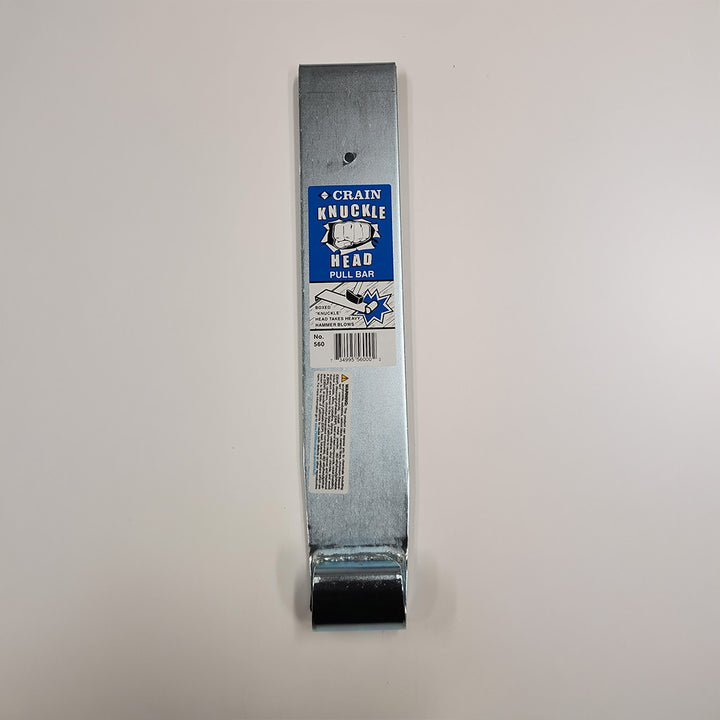
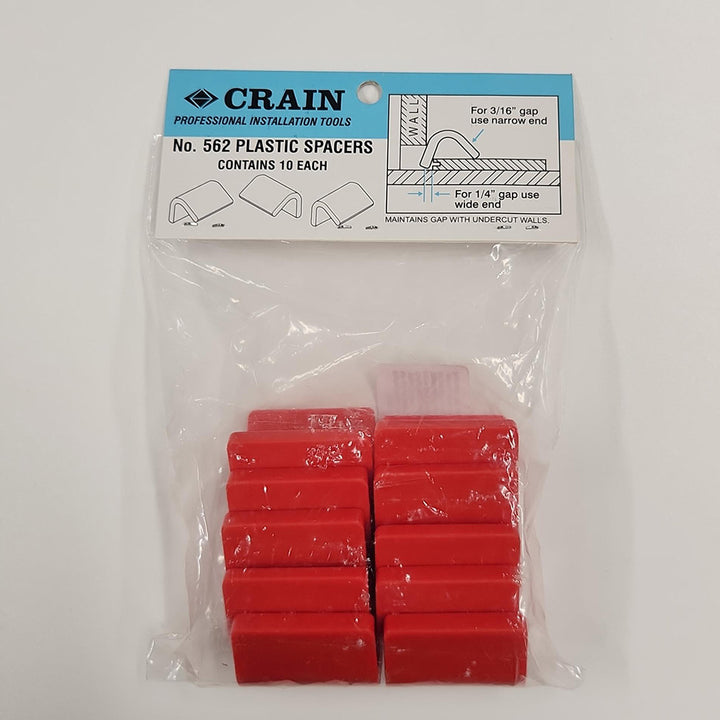
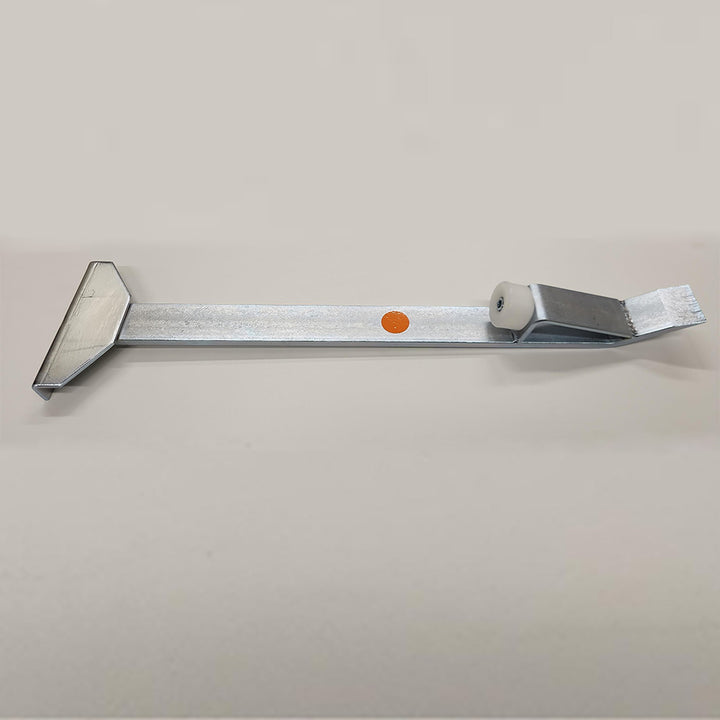
For a standard floating LVP or laminate installation you will need: a tape measure, chalk line, and pencil for layout; a circular saw or miter saw for straight cuts; a jigsaw for notching around obstacles; a pull bar and tapping block to engage the locking joints without damaging the edges; a rubber mallet; spacers to maintain expansion gaps at walls; a utility knife for scoring; and knee pads. A flooring installation kit typically includes the pull bar, tapping block, and spacers as a bundle and is a cost-effective way to get the essentials in one purchase.
What tools do I need to install hardwood flooring?
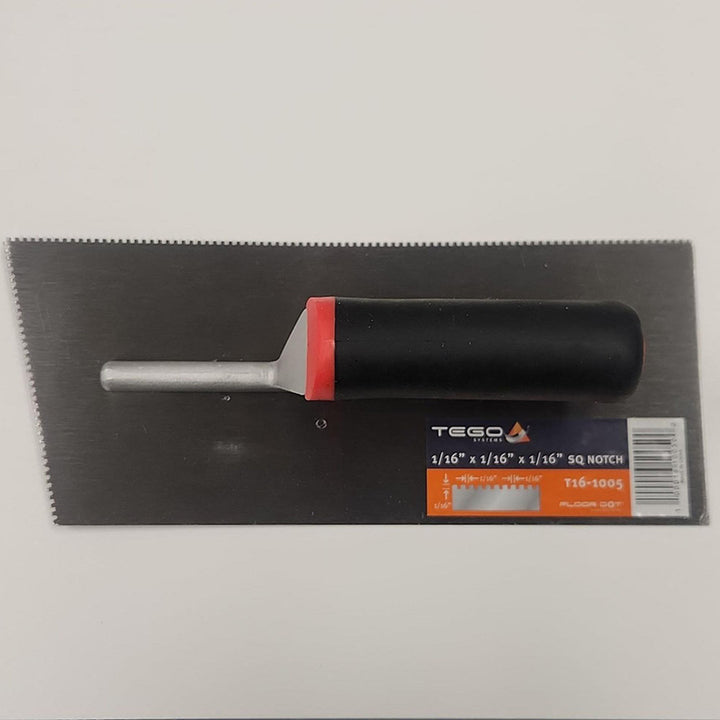
Solid hardwood installation requires more specialized tools than floating floors. For nail-down installation you will need a pneumatic flooring nailer or cleat nailer, a compressor, a miter saw for end cuts, a table saw for rip cuts along the wall, a drill and face-nail bit for starter rows, a tapping block, spacers, and a pull bar for finishing rows. For glue-down hardwood over concrete, you will also need the appropriate trowel for the adhesive. Renting a flooring nailer rather than purchasing one is usually the practical choice for a one-time project.
What tools do I need to install tile?
Tile installation requires a wet saw with a diamond blade for cuts, a notched trowel for applying mortar, a rubber mallet and level for setting tiles evenly, tile spacers for consistent grout joints, a grout float for applying grout, a bucket and sponge for cleanup, and a grout sealer applicator. For large-format tiles, a leveling clip system is strongly recommended to prevent lippage between tiles during installation. Tile work requires more precision and patience than floating floor installation and is more demanding as a DIY project.
Can I rent flooring installation tools instead of buying them?
Yes. Most tool rental centers carry flooring nailers, compressors, floor sanders, and other specialized tools that are only needed for a single project. Renting is the practical choice for tools like a pneumatic hardwood flooring nailer or a drum sander that cost significantly more to purchase than to rent for a weekend. For tools you will use repeatedly -- a good miter saw, circular saw, or jigsaw -- purchasing is a better long-term value.
What is a tapping block and why do I need it?
A tapping block is a short piece of scrap flooring or a purpose-made tool that you place against the edge of a plank and tap with a mallet to drive the locking joint together without damaging the edge profile. Hitting a locking joint directly with a hammer will chip or crack the tongue, making the joint weak and visible. A tapping block distributes the force across the edge and protects the profile. It is an inexpensive but essential tool for any click-lock LVP or laminate installation.
How do I make curved or irregular cuts in flooring?
A jigsaw is the best tool for curved cuts, notches around door frames, and irregular shapes in LVP, laminate, and hardwood. Use a fine-tooth blade appropriate for the flooring material. For door casing notches, an undercut saw or oscillating multi-tool cuts the bottom of the casing so the flooring can slide underneath for a clean, professional finish -- this avoids the difficult task of scribing the flooring around the casing profile. Mark the cut line carefully and cut slightly outside the line, then test-fit and trim as needed.