

-

![Whistler Ridge Rigid Core Standard Flooring in Open Range]()
![Whistler Ridge Rigid Core Standard Flooring in Ridgeline Drift]()
![Whistler Ridge Rigid Core Standard Flooring in Timber Ridge]()
![Whistler Ridge Rigid Core Standard Flooring in Boulder Creek]()
![Whistler Ridge Rigid Core Standard Flooring in Cedar Crossing]()
![Whistler Ridge Rigid Core Standard Flooring in Timber Run]()
![Whistler Ridge Rigid Core Standard Flooring in Alpine Route]()
![Whistler Ridge Rigid Core Standard Flooring in Glacier Path]()
![Whistler Ridge Rigid Core Standard Flooring in High Pass — view 2]()
![Whistler Ridge Rigid Core Standard Flooring in Open Range]()
![Whistler Ridge Rigid Core Standard Flooring in Ridgeline Drift]()
![Whistler Ridge Rigid Core Standard Flooring in Timber Ridge — view 2]()
![Whistler Ridge Rigid Core Standard Flooring in Boulder Creek]()
![Whistler Ridge Rigid Core Standard Flooring in Cedar Crossing]()
![Whistler Ridge Rigid Core Standard Flooring in Timber Run — view 2]()
![Whistler Ridge Rigid Core Standard Flooring in Alpine Route — view 2]()
![Whistler Ridge Rigid Core Standard Flooring in Glacier Path — view 2]()
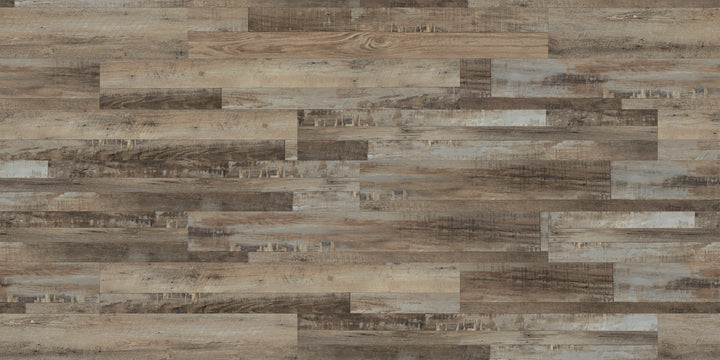 Width: W: 7.0″Length: L: 48"Thickness: T: 5.5 mm
 -

![Haro Tritty 200 8mm AC6 Oak Laminate Flooring in Forest Ember]()
![Haro Tritty 200 8mm AC6 Oak Laminate Flooring in Forest Ember]()
![Haro Tritty 200 8mm AC6 Oak Laminate Flooring in Shadow Fir]()
![Haro Tritty 200 8mm AC6 Oak Laminate Flooring in Shadow Fir]()
![Haro Tritty 200 8mm AC6 Oak Laminate Flooring in Quiet Canyon]()
![Haro Tritty 200 8mm AC6 Oak Laminate Flooring in Quiet Canyon]()
 ClearanceWidth: W: 7.5″Length: L: 50.47"
Haro Tritty 200 8mm AC6 Oak Laminate Flooring - Mossy Path
Anc-1051
$415 / sq ftRetail Price: $520 / sq ftUnit price /20% OFF -
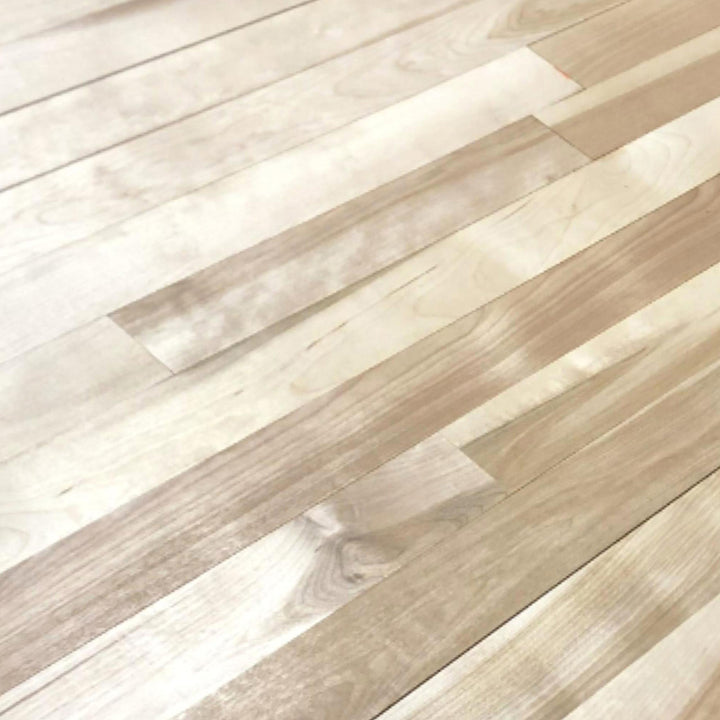 Width: W: 3.25″Length: L: 10 - 78"Thickness: T: 0.78"
 -
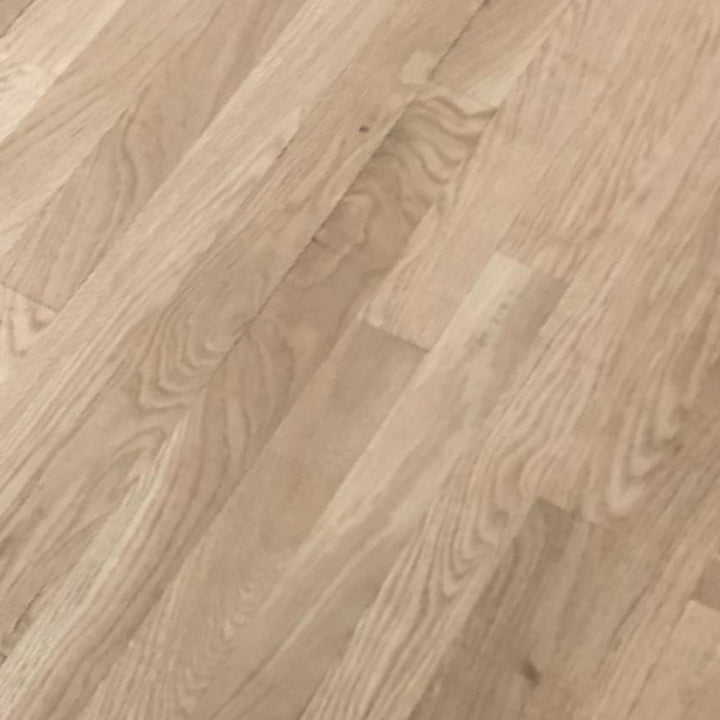 Width: W: 3.25″Length: L: 12 - 78"Thickness: T: 0.78"
 -

![European White Oak 7.5 inch Engineered Hardwood Collection in Cotswold]()
![European White Oak 7.5 inch Engineered Hardwood Collection in Tuscan]()
![European White Oak 7.5 inch Engineered Hardwood Collection in Bavaria]()
![European White Oak 7.5 inch Engineered Hardwood Collection in Provence]()
![European White Oak 7.5 inch Engineered Hardwood Collection in Cotswold]()
![European White Oak 7.5 inch Engineered Hardwood Collection in Tuscan]()
![European White Oak 7.5 inch Engineered Hardwood Collection in Bavaria]()
![European White Oak 7.5 inch Engineered Hardwood Collection in Provence]()
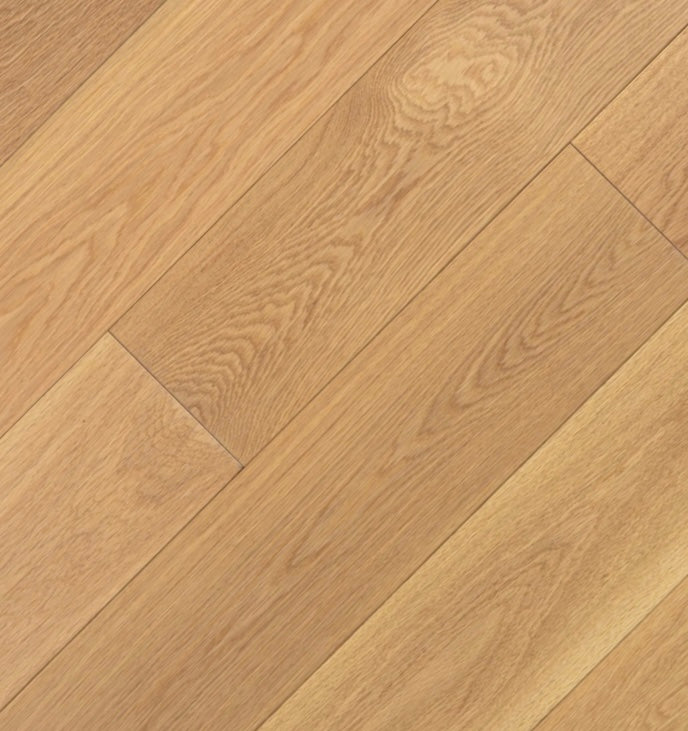 Width: W: 7.5″Length: L: 18 - 84"Thickness: T: 0.75"
European White Oak 7.5 inch Engineered Hardwood Collection - Brittany
15990847
$1745 / sq ftUnit price / -
![Niagara Crest Engineered Hardwood Flooring in Riverbend]()
![Niagara Crest Engineered Hardwood Flooring in Flowline — view 2]()
![Niagara Crest Engineered Hardwood Flooring in Riverbend]()
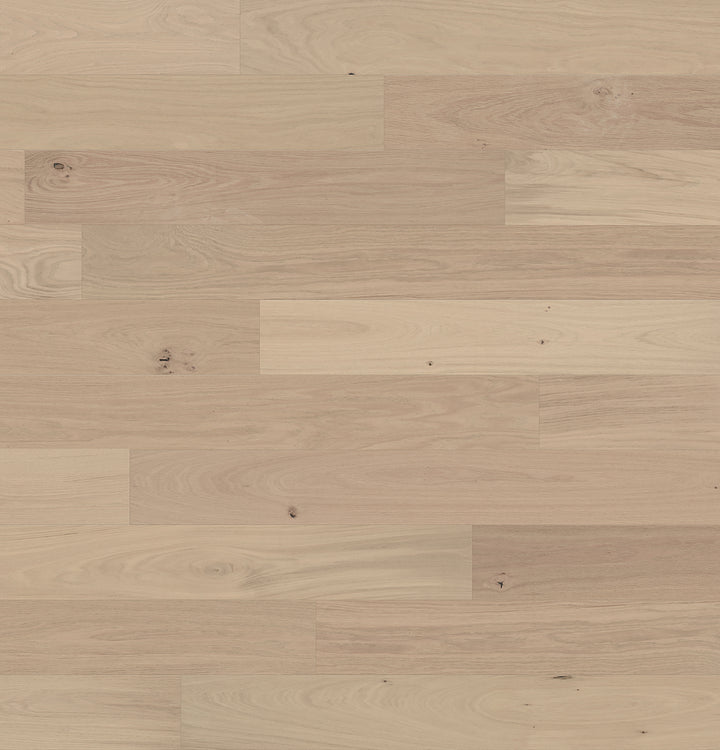 Width: W: 7.5″Length: L: 15.75 - 82.67"Thickness: T: 3/8"
 -

![Yukon Trail Rigid Core XL Flooring in Northern Trail]()
![Yukon Trail Rigid Core XL Flooring in Boundary Path]()
![Yukon Trail Rigid Core XL Flooring in Gold Route]()
![Yukon Trail Rigid Core XL Flooring in Northern Trail]()
![Yukon Trail Rigid Core XL Flooring in Boundary Path]()
![Yukon Trail Rigid Core XL Flooring in Gold Route — view 2]()
![Yukon Trail Rigid Core XL Flooring in Ridge Passage]()
![Yukon Trail Rigid Core XL Flooring in Ridge Passage]()
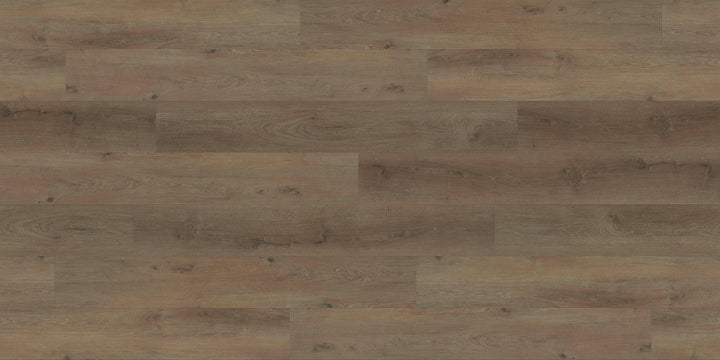 Width: W: 9.0″Length: L: 60"Thickness: T: 7 mm
 -

![Pacific Grove Rigid Core XL Flooring in Meadow Trail]()
![Pacific Grove Rigid Core XL Flooring in Pine Passage]()
![Pacific Grove Rigid Core XL Flooring in Quiet Grove]()
![Pacific Grove Rigid Core XL Flooring in Meadow Trail]()
![Pacific Grove Rigid Core XL Flooring in Pine Passage]()
![Pacific Grove Rigid Core XL Flooring in Quiet Grove]()
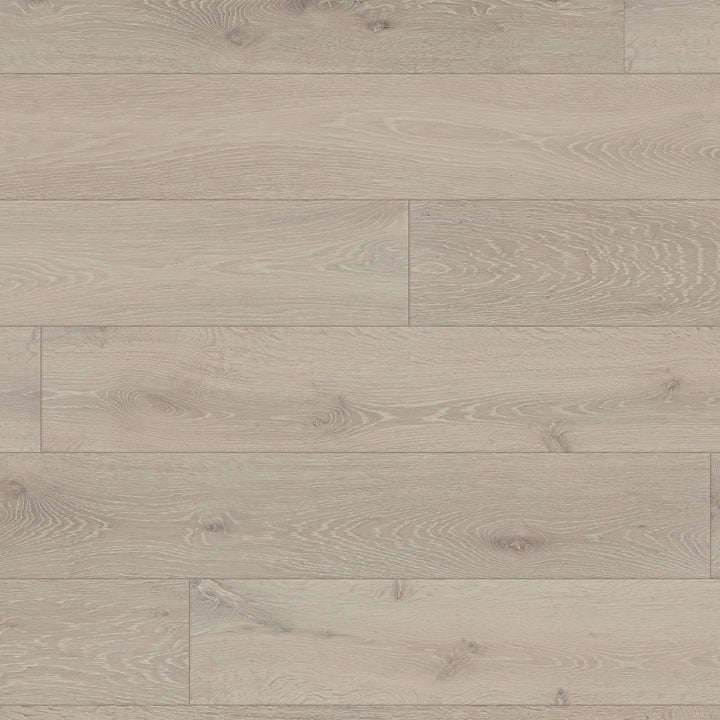 Width: W: 9.45″Length: L: 74.4"Thickness: T: 6.5 mm
 -

![Whistler Ridge Rigid Core Standard Flooring in High Pass]()
![Whistler Ridge Rigid Core Standard Flooring in Ridgeline Drift]()
![Whistler Ridge Rigid Core Standard Flooring in Timber Ridge]()
![Whistler Ridge Rigid Core Standard Flooring in Boulder Creek]()
![Whistler Ridge Rigid Core Standard Flooring in Cedar Crossing]()
![Whistler Ridge Rigid Core Standard Flooring in Timber Run]()
![Whistler Ridge Rigid Core Standard Flooring in Alpine Route]()
![Whistler Ridge Rigid Core Standard Flooring in Glacier Path]()
![Whistler Ridge Rigid Core Standard Flooring in High Pass — view 2]()
![Whistler Ridge Rigid Core Standard Flooring in Ridgeline Drift]()
![Whistler Ridge Rigid Core Standard Flooring in Timber Ridge — view 2]()
![Whistler Ridge Rigid Core Standard Flooring in Boulder Creek]()
![Whistler Ridge Rigid Core Standard Flooring in Cedar Crossing]()
![Whistler Ridge Rigid Core Standard Flooring in Timber Run — view 2]()
![Whistler Ridge Rigid Core Standard Flooring in Alpine Route — view 2]()
![Whistler Ridge Rigid Core Standard Flooring in Glacier Path — view 2]()
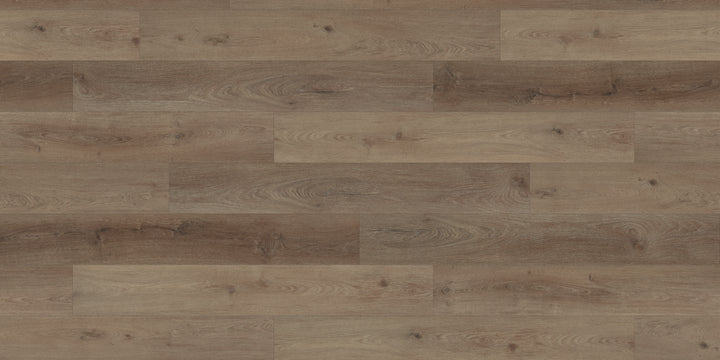 Width: W: 7.0″Length: L: 48"Thickness: T: 5.5 mm
 -
![Haro Tritty 200 8mm AC6 Oak Laminate Flooring in Mossy Path]()
![Haro Tritty 200 8mm AC6 Oak Laminate Flooring in Mossy Path]()
![Haro Tritty 200 8mm AC6 Oak Laminate Flooring in Shadow Fir]()
![Haro Tritty 200 8mm AC6 Oak Laminate Flooring in Shadow Fir]()
![Haro Tritty 200 8mm AC6 Oak Laminate Flooring in Quiet Canyon]()
![Haro Tritty 200 8mm AC6 Oak Laminate Flooring in Quiet Canyon]()
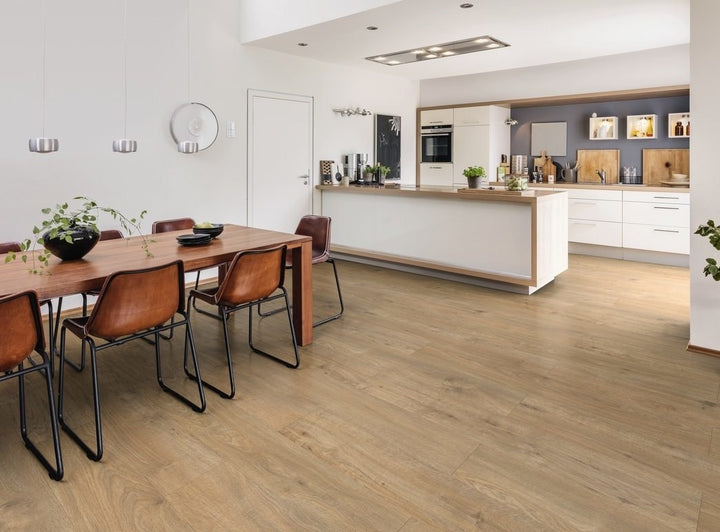 ClearanceWidth: W: 7.5″Length: L: 50.47"
Haro Tritty 200 8mm AC6 Oak Laminate Flooring - Forest Ember
Anc-1048
$415 / sq ftRetail Price: $520 / sq ftUnit price /20% OFF -
Width: W: 3.25″Length: L: 10 - 78"Thickness: T: 0.78"
-

![European White Oak 7.5 inch Engineered Hardwood Collection in Brittany]()
![European White Oak 7.5 inch Engineered Hardwood Collection in Tuscan]()
![European White Oak 7.5 inch Engineered Hardwood Collection in Bavaria]()
![European White Oak 7.5 inch Engineered Hardwood Collection in Provence]()
![European White Oak 7.5 inch Engineered Hardwood Collection in Brittany]()
![European White Oak 7.5 inch Engineered Hardwood Collection in Tuscan]()
![European White Oak 7.5 inch Engineered Hardwood Collection in Bavaria]()
![European White Oak 7.5 inch Engineered Hardwood Collection in Provence]()
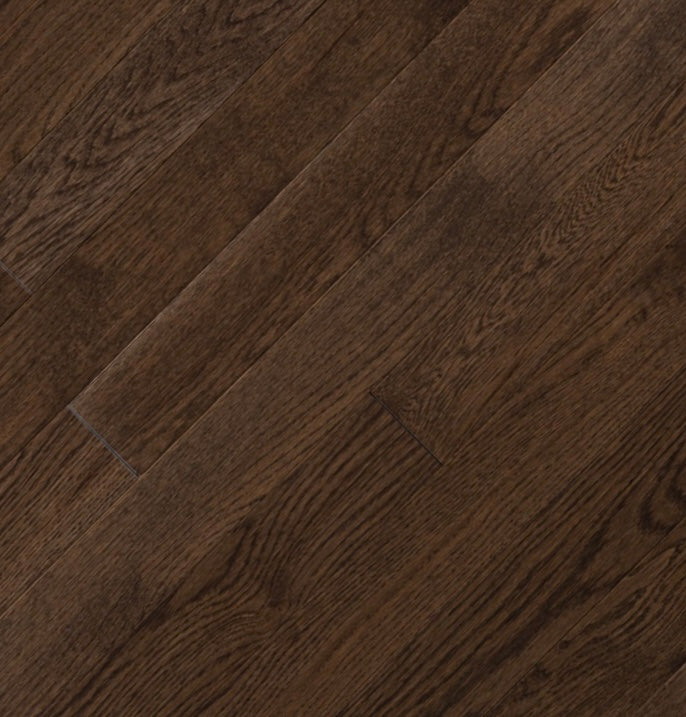 Width: W: 7.5″Length: L: 18 - 84"Thickness: T: 0.75"
European White Oak 7.5 inch Engineered Hardwood Collection - Cotswold
15990848
$1997 / sq ftUnit price / -
![Niagara Crest Engineered Hardwood Flooring in Flowline]()
![Niagara Crest Engineered Hardwood Flooring in Flowline — view 2]()
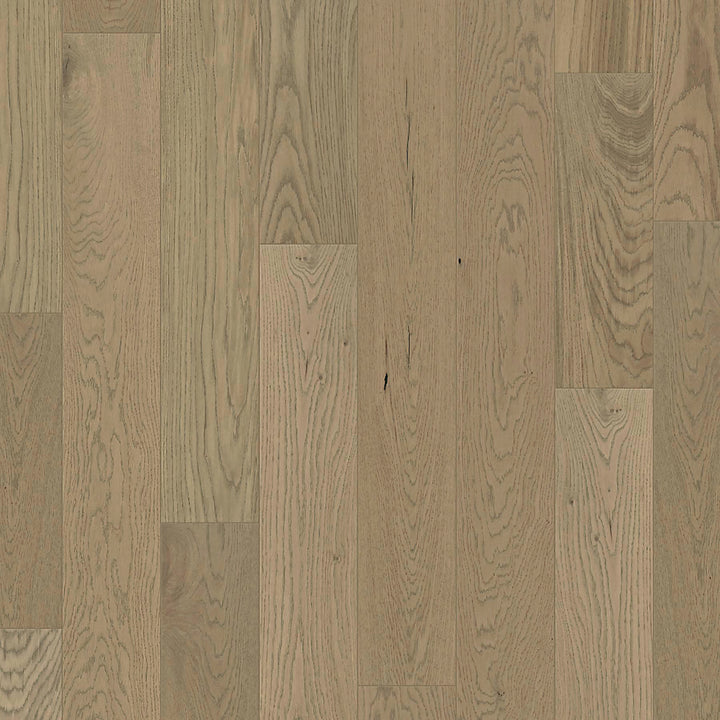 Width: W: 7.5″Length: L: 15.75 - 82.67"Thickness: T: 3/8"
 -
![Yukon Trail Rigid Core XL Flooring in Prospect Path]()
![Yukon Trail Rigid Core XL Flooring in Boundary Path]()
![Yukon Trail Rigid Core XL Flooring in Gold Route]()
![Yukon Trail Rigid Core XL Flooring in Prospect Path]()
![Yukon Trail Rigid Core XL Flooring in Boundary Path]()
![Yukon Trail Rigid Core XL Flooring in Gold Route — view 2]()
![Yukon Trail Rigid Core XL Flooring in Ridge Passage]()
![Yukon Trail Rigid Core XL Flooring in Ridge Passage]()
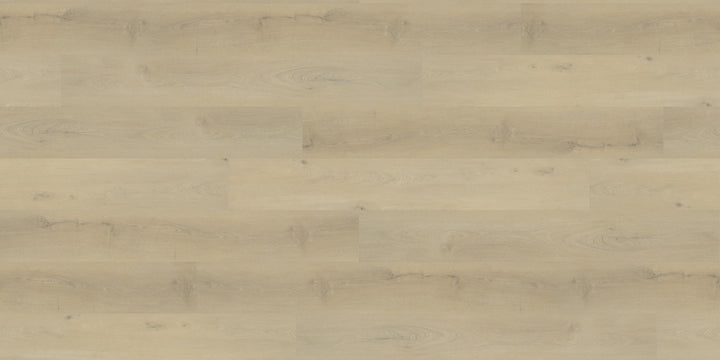 Width: W: 9.0″Length: L: 60"Thickness: T: 7 mm
 -
![Pacific Grove Rigid Core XL Flooring in Forest Route]()
![Pacific Grove Rigid Core XL Flooring in Pine Passage]()
![Pacific Grove Rigid Core XL Flooring in Quiet Grove]()
![Pacific Grove Rigid Core XL Flooring in Forest Route]()
![Pacific Grove Rigid Core XL Flooring in Pine Passage]()
![Pacific Grove Rigid Core XL Flooring in Quiet Grove]()
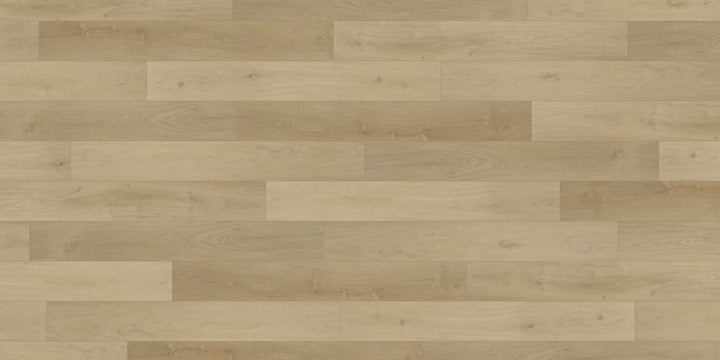
 Width: W: 9.45″Length: L: 74.4"Thickness: T: 6.5 mm
 -
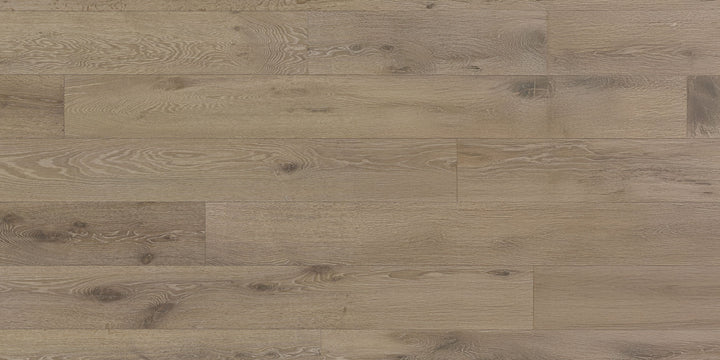
![Whistler Ridge Rigid Core Standard Flooring in High Pass]()
![Whistler Ridge Rigid Core Standard Flooring in Open Range]()
![Whistler Ridge Rigid Core Standard Flooring in Timber Ridge]()
![Whistler Ridge Rigid Core Standard Flooring in Boulder Creek]()
![Whistler Ridge Rigid Core Standard Flooring in Cedar Crossing]()
![Whistler Ridge Rigid Core Standard Flooring in Timber Run]()
![Whistler Ridge Rigid Core Standard Flooring in Alpine Route]()
![Whistler Ridge Rigid Core Standard Flooring in Glacier Path]()
![Whistler Ridge Rigid Core Standard Flooring in High Pass — view 2]()
![Whistler Ridge Rigid Core Standard Flooring in Open Range]()
![Whistler Ridge Rigid Core Standard Flooring in Timber Ridge — view 2]()
![Whistler Ridge Rigid Core Standard Flooring in Boulder Creek]()
![Whistler Ridge Rigid Core Standard Flooring in Cedar Crossing]()
![Whistler Ridge Rigid Core Standard Flooring in Timber Run — view 2]()
![Whistler Ridge Rigid Core Standard Flooring in Alpine Route — view 2]()
![Whistler Ridge Rigid Core Standard Flooring in Glacier Path — view 2]()
 Width: W: 7.0″Length: L: 48"Thickness: T: 5.5 mm
 -
![Haro Tritty 200 8mm AC6 Oak Laminate Flooring in Mossy Path]()
![Haro Tritty 200 8mm AC6 Oak Laminate Flooring in Mossy Path]()
![Haro Tritty 200 8mm AC6 Oak Laminate Flooring in Forest Ember]()
![Haro Tritty 200 8mm AC6 Oak Laminate Flooring in Forest Ember]()
![Haro Tritty 200 8mm AC6 Oak Laminate Flooring in Quiet Canyon]()
![Haro Tritty 200 8mm AC6 Oak Laminate Flooring in Quiet Canyon]()
 ClearanceWidth: W: 7.5″Length: L: 50.47"
Haro Tritty 200 8mm AC6 Oak Laminate Flooring - Shadow Fir
Anc-1053
$415 / sq ftRetail Price: $520 / sq ftUnit price /20% OFF -

![European White Oak 7.5 inch Engineered Hardwood Collection in Brittany]()
![European White Oak 7.5 inch Engineered Hardwood Collection in Cotswold]()
![European White Oak 7.5 inch Engineered Hardwood Collection in Bavaria]()
![European White Oak 7.5 inch Engineered Hardwood Collection in Provence]()
![European White Oak 7.5 inch Engineered Hardwood Collection in Brittany]()
![European White Oak 7.5 inch Engineered Hardwood Collection in Cotswold]()
![European White Oak 7.5 inch Engineered Hardwood Collection in Bavaria]()
![European White Oak 7.5 inch Engineered Hardwood Collection in Provence]()
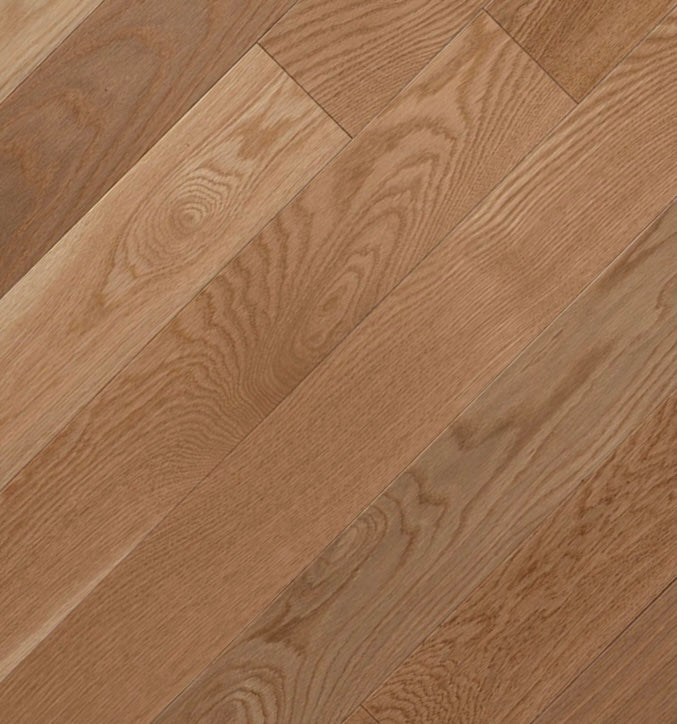 Width: W: 7.5″Length: L: 18 - 84"Thickness: T: 0.75"
European White Oak 7.5 inch Engineered Hardwood Collection - Tuscan
15990849
$1997 / sq ftUnit price / -
![Yukon Trail Rigid Core XL Flooring in Prospect Path]()
![Yukon Trail Rigid Core XL Flooring in Northern Trail]()
![Yukon Trail Rigid Core XL Flooring in Gold Route]()
![Yukon Trail Rigid Core XL Flooring in Prospect Path]()
![Yukon Trail Rigid Core XL Flooring in Northern Trail]()
![Yukon Trail Rigid Core XL Flooring in Gold Route — view 2]()
![Yukon Trail Rigid Core XL Flooring in Ridge Passage]()
![Yukon Trail Rigid Core XL Flooring in Ridge Passage]()
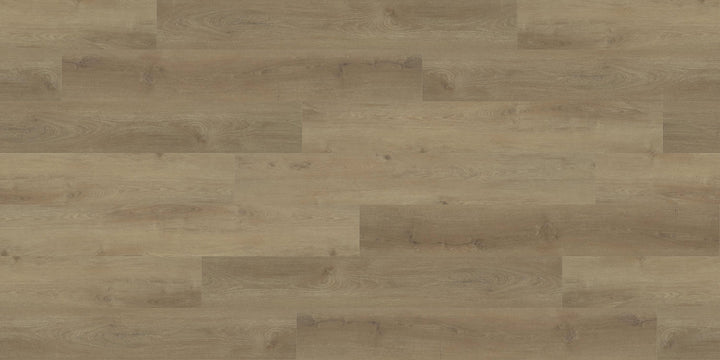 Width: W: 9.0″Length: L: 60"Thickness: T: 7 mm
 -
![Whistler Ridge Rigid Core Standard Flooring in High Pass]()
![Whistler Ridge Rigid Core Standard Flooring in Open Range]()
![Whistler Ridge Rigid Core Standard Flooring in Ridgeline Drift]()
![Whistler Ridge Rigid Core Standard Flooring in Boulder Creek]()
![Whistler Ridge Rigid Core Standard Flooring in Cedar Crossing]()
![Whistler Ridge Rigid Core Standard Flooring in Timber Run]()
![Whistler Ridge Rigid Core Standard Flooring in Alpine Route]()
![Whistler Ridge Rigid Core Standard Flooring in Glacier Path]()
![Whistler Ridge Rigid Core Standard Flooring in High Pass — view 2]()
![Whistler Ridge Rigid Core Standard Flooring in Open Range]()
![Whistler Ridge Rigid Core Standard Flooring in Ridgeline Drift]()
![Whistler Ridge Rigid Core Standard Flooring in Timber Ridge — view 2]()
![Whistler Ridge Rigid Core Standard Flooring in Boulder Creek]()
![Whistler Ridge Rigid Core Standard Flooring in Cedar Crossing]()
![Whistler Ridge Rigid Core Standard Flooring in Timber Run — view 2]()
![Whistler Ridge Rigid Core Standard Flooring in Alpine Route — view 2]()
![Whistler Ridge Rigid Core Standard Flooring in Glacier Path — view 2]()
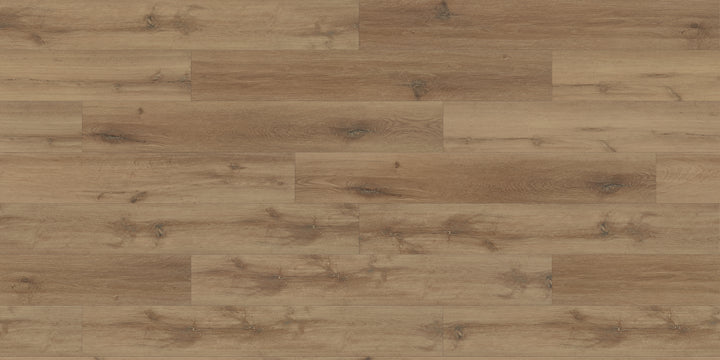 Width: W: 7.0″Length: L: 48"Thickness: T: 5.5 mm
 -

![Haro Tritty 200 8mm AC6 Oak Laminate Flooring in Mossy Path]()
![Haro Tritty 200 8mm AC6 Oak Laminate Flooring in Mossy Path]()
![Haro Tritty 200 8mm AC6 Oak Laminate Flooring in Forest Ember]()
![Haro Tritty 200 8mm AC6 Oak Laminate Flooring in Forest Ember]()
![Haro Tritty 200 8mm AC6 Oak Laminate Flooring in Shadow Fir]()
![Haro Tritty 200 8mm AC6 Oak Laminate Flooring in Shadow Fir]()
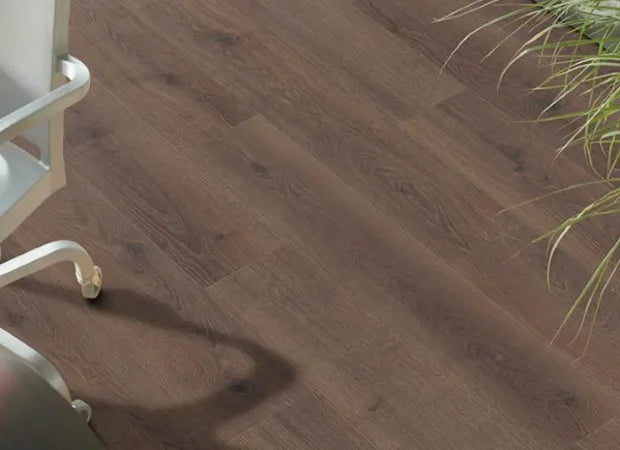 ClearanceWidth: W: 7.5″Length: L: 50.47"
Haro Tritty 200 8mm AC6 Oak Laminate Flooring - Quiet Canyon
Anc-1050
$415 / sq ftRetail Price: $520 / sq ftUnit price /20% OFF -

![European White Oak 7.5 inch Engineered Hardwood Collection in Brittany]()
![European White Oak 7.5 inch Engineered Hardwood Collection in Cotswold]()
![European White Oak 7.5 inch Engineered Hardwood Collection in Tuscan]()
![European White Oak 7.5 inch Engineered Hardwood Collection in Provence]()
![European White Oak 7.5 inch Engineered Hardwood Collection in Brittany]()
![European White Oak 7.5 inch Engineered Hardwood Collection in Cotswold]()
![European White Oak 7.5 inch Engineered Hardwood Collection in Tuscan]()
![European White Oak 7.5 inch Engineered Hardwood Collection in Provence]()
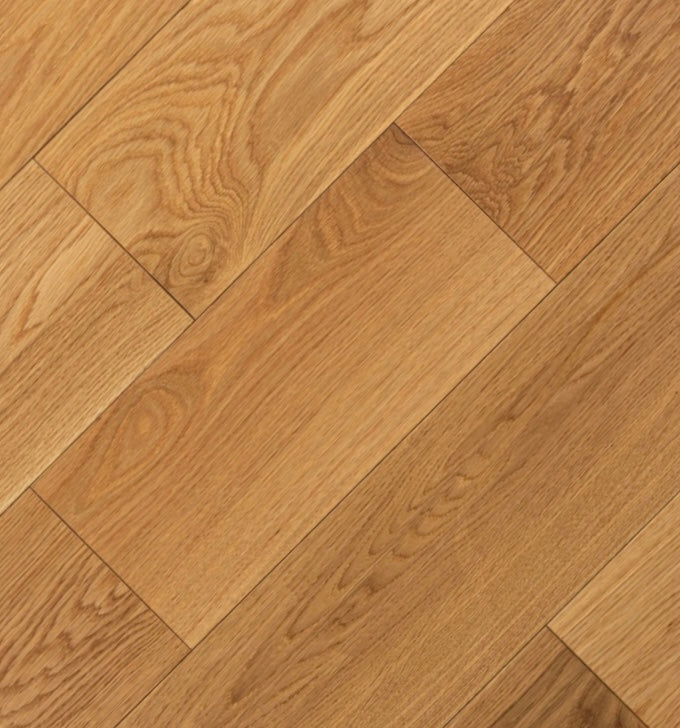 Width: W: 7.5″Length: L: 18 - 84"Thickness: T: 0.75"
European White Oak 7.5 inch Engineered Hardwood Collection - Bavaria
15990850
$1997 / sq ftUnit price / -
![Yukon Trail Rigid Core XL Flooring in Prospect Path]()
![Yukon Trail Rigid Core XL Flooring in Northern Trail]()
![Yukon Trail Rigid Core XL Flooring in Boundary Path]()
![Yukon Trail Rigid Core XL Flooring in Prospect Path]()
![Yukon Trail Rigid Core XL Flooring in Northern Trail]()
![Yukon Trail Rigid Core XL Flooring in Boundary Path]()
![Yukon Trail Rigid Core XL Flooring in Gold Route — view 2]()
![Yukon Trail Rigid Core XL Flooring in Ridge Passage]()
![Yukon Trail Rigid Core XL Flooring in Ridge Passage]()
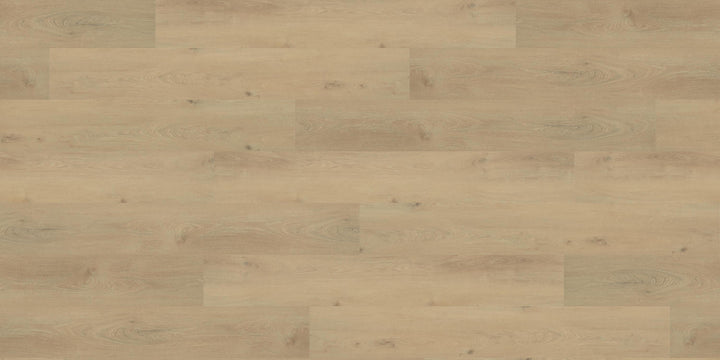 Width: W: 9.0″Length: L: 60"Thickness: T: 7 mm
 -
![Whistler Ridge Rigid Core Standard Flooring in High Pass]()
![Whistler Ridge Rigid Core Standard Flooring in Open Range]()
![Whistler Ridge Rigid Core Standard Flooring in Ridgeline Drift]()
![Whistler Ridge Rigid Core Standard Flooring in Timber Ridge]()
![Whistler Ridge Rigid Core Standard Flooring in Cedar Crossing]()
![Whistler Ridge Rigid Core Standard Flooring in Timber Run]()
![Whistler Ridge Rigid Core Standard Flooring in Alpine Route]()
![Whistler Ridge Rigid Core Standard Flooring in Glacier Path]()
![Whistler Ridge Rigid Core Standard Flooring in High Pass — view 2]()
![Whistler Ridge Rigid Core Standard Flooring in Open Range]()
![Whistler Ridge Rigid Core Standard Flooring in Ridgeline Drift]()
![Whistler Ridge Rigid Core Standard Flooring in Timber Ridge — view 2]()
![Whistler Ridge Rigid Core Standard Flooring in Cedar Crossing]()
![Whistler Ridge Rigid Core Standard Flooring in Timber Run — view 2]()
![Whistler Ridge Rigid Core Standard Flooring in Alpine Route — view 2]()
![Whistler Ridge Rigid Core Standard Flooring in Glacier Path — view 2]()
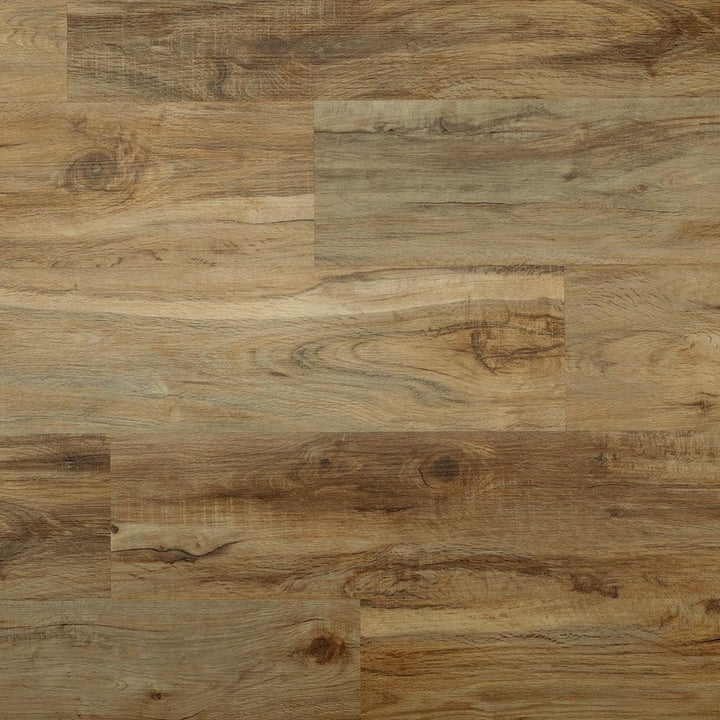 Width: W: 7.0″Length: L: 48"Thickness: T: 5.5 mm


